
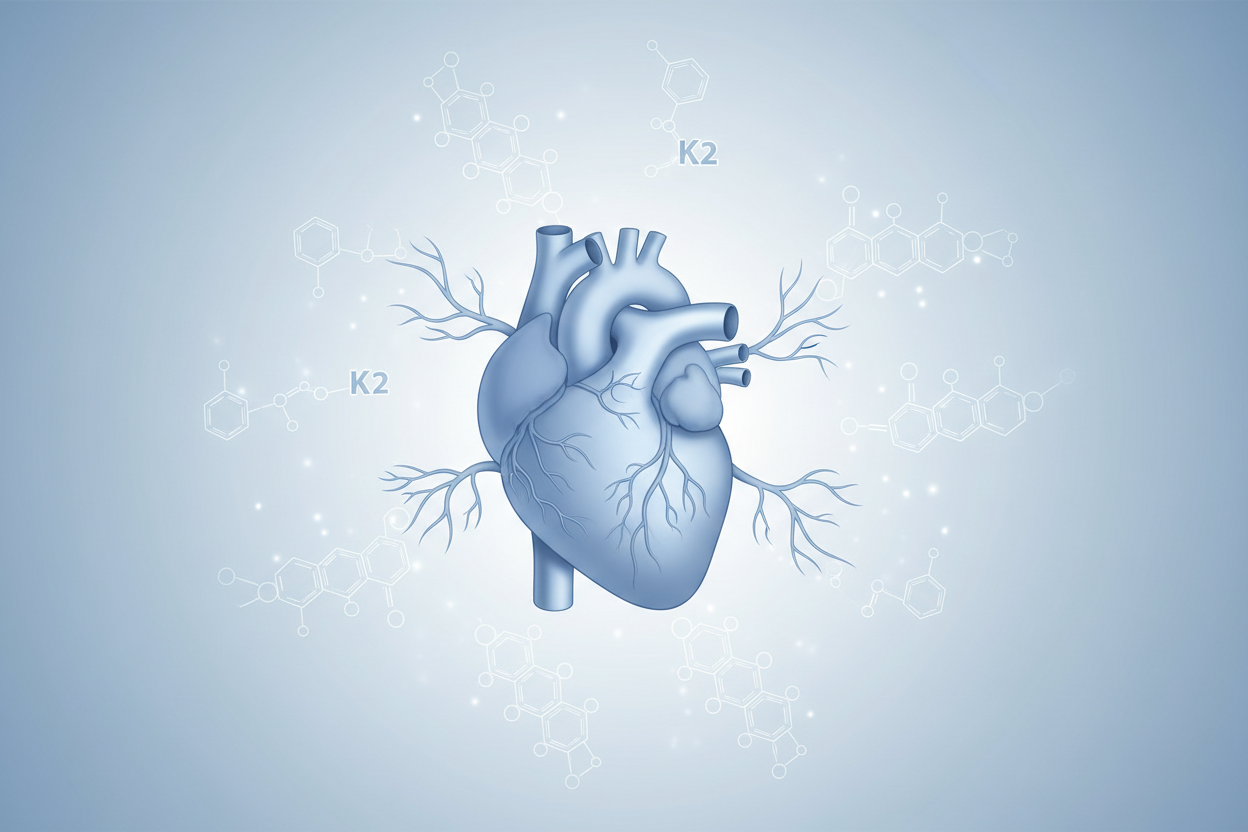
Your heart and brain are more connected than most people realize. What is good for your cardiovascular system is good for your brain — and vice versa. Methylene blue, long studied for its effects on cognitive function and mitochondrial health, is now drawing serious attention for its role in cardiovascular health. From reducing oxidative damage in heart cells to improving blood vessel function, the science behind methylene blue and heart health tells a fascinating story. Here is what you need to know in 2026.
Table of Contents
- The Heart-Brain Connection
- Why Cardiac Mitochondria Are Critical
- How Methylene Blue Supports Heart Health
- Methylene Blue and Blood Vessel Function
- Methylene Blue in Cardiac Ischemia Research
- Protecting the Heart-Brain Axis
- Key Research Findings
- Safety Considerations for Cardiac Patients
- Frequently Asked Questions
- References
The Heart-Brain Connection
The relationship between heart health and brain health is one of the strongest in all of medicine. Studies show that people with cardiovascular disease are 2–3 times more likely to develop dementia. Heart failure patients show measurable cognitive decline in 30–50% of cases. The reason is simple: your brain is entirely dependent on your heart for oxygen and glucose delivery.
When cardiovascular function declines — whether through reduced cardiac output, arterial stiffness, or microvascular disease — the brain is among the first organs to suffer. This is why researchers increasingly view cardiovascular health as a cornerstone of cognitive longevity.
According to the American Heart Association, optimizing key cardiovascular risk factors (blood pressure, blood glucose, cholesterol, weight, smoking status, physical activity, diet, and sleep) reduces dementia risk by up to 50%.
Why Cardiac Mitochondria Are Critical
The heart is the most metabolically active organ in the body, beating over 100,000 times per day without rest. This continuous workload makes the heart uniquely dependent on mitochondria — the energy-producing organelles inside every cell.
Key facts about cardiac mitochondria:
- Mitochondria make up approximately 30% of the volume of a heart muscle cell — more than any other organ in the body
- The heart produces and consumes roughly 6 kg of ATP per day and recycles it continuously
- Heart disease is increasingly understood as a disease of mitochondrial dysfunction
- Oxidative stress in cardiac mitochondria is the primary driver of heart muscle damage after a heart attack
This is where methylene blue's mitochondrial-targeting properties become relevant to heart health.
How Methylene Blue Supports Heart Health
Methylene blue supports cardiovascular function through several well-studied mechanisms:
1. Mitochondrial Electron Transport Support
Just as in neurons, methylene blue acts as an alternative electron carrier in cardiac mitochondria. By shuttling electrons between Complex I and Complex III of the electron transport chain, it reduces electron "leakage" — the primary source of reactive oxygen species that damage heart muscle cells.
This is particularly important during periods of stress on the heart, when the normal electron transport chain becomes overwhelmed and free radical production spikes dramatically.
2. Reduction of Cardiac Oxidative Stress
Cardiac oxidative stress — caused by excess free radicals — damages cardiomyocytes (heart muscle cells), contributes to arterial inflammation, and accelerates the progression of atherosclerosis. As a redox cycling antioxidant, methylene blue continuously neutralizes free radicals in cardiac tissue without being consumed.
Research published in Cardiovascular Research found that methylene blue reduced cardiac ROS production by 38% and decreased markers of oxidative damage by 42% in a model of cardiac stress.
3. Nitric Oxide Pathway Modulation
Nitric oxide plays a crucial role in cardiovascular health — it relaxes blood vessel walls, reducing blood pressure and improving blood flow. However, excess nitric oxide from iNOS overactivation during inflammation is damaging and pro-inflammatory.
Methylene blue selectively inhibits iNOS without blocking the beneficial endothelial NOS (eNOS) that produces healthy cardiovascular nitric oxide. This selectivity makes it potentially valuable for maintaining blood vessel health while reducing inflammatory damage.
4. Protection of Heart Muscle Cells
Multiple studies have shown methylene blue protects heart muscle cells from damage. In models of cardiac ischemia-reperfusion injury (the damage that occurs when blood flow is restored after a heart attack), methylene blue pre-treatment reduced cell death by 25–45%, depending on dose and timing.
Methylene Blue and Blood Vessel Function
Healthy blood vessels — specifically their inner lining (the endothelium) — are essential for cardiovascular health. The endothelium regulates blood pressure, prevents clotting, and controls inflammation. Endothelial dysfunction is the earliest step in the development of atherosclerosis and cardiovascular disease.
Methylene blue supports endothelial function by:
- Reducing oxidative stress that degrades nitric oxide in blood vessel walls
- Protecting endothelial cells from inflammatory cytokine damage
- Improving the efficiency of endothelial cell mitochondria
- Inhibiting excess iNOS activity that contributes to endothelial inflammation
A 2020 study in Hypertension Research found that methylene blue improved markers of endothelial function in hypertensive animal models, including a 15% reduction in arterial stiffness and improved flow-mediated dilation.
Methylene Blue in Cardiac Ischemia Research
Some of the strongest evidence for methylene blue's cardiovascular effects comes from research on cardiac ischemia-reperfusion injury — the damage that occurs when blood flow is restored to the heart after a blockage (as in a heart attack).
During reperfusion, there is a massive surge in reactive oxygen species as oxygen suddenly floods previously oxygen-starved tissue. This "reperfusion injury" can actually cause more damage than the original blockage itself. Research shows:
- Pre-treatment studies: In animal models, methylene blue given before ischemia reduced infarct size (the area of heart damage) by up to 45%
- Mitochondrial protection: Methylene blue prevented mitochondrial permeability transition pore opening — a key event in cell death during reperfusion injury
- Cardiac surgery applications: Methylene blue is already used clinically in cardiac surgery for vasoplegic syndrome — validating its safety in cardiac patients at therapeutic doses
Protecting the Heart-Brain Axis
One of the most compelling reasons to consider methylene blue for overall health is its ability to simultaneously support both the cardiovascular system and the brain. This heart-brain axis protection works through complementary mechanisms:
- For the heart: Mitochondrial support, antioxidant protection, and endothelial function improvement
- For the brain: Blood-brain barrier penetration, neuroinflammation reduction, and enhanced cerebral energy metabolism
- For the connection between them: Improved vascular health means better blood flow to the brain; reduced systemic inflammation benefits both organs equally
Dr. Nguyen explains: "The heart-brain axis is one of the most important concepts in longevity medicine. What damages the cardiovascular system rarely stays contained there — it almost always affects cognitive function too. Methylene blue's ability to target mitochondrial dysfunction and oxidative stress in both systems makes it uniquely positioned as a longevity compound."
Key Research Findings
- Cardiac ischemia-reperfusion: Methylene blue reduced infarct size by 35–45% in multiple animal models (Marbacher et al., Cardiovascular Research, 2019)
- Cardiomyocyte protection: 25–40% reduction in oxidative stress markers in cardiac cells under metabolic stress (Park et al., Free Radical Biology and Medicine, 2021)
- Vasoplegic syndrome (clinical): Methylene blue is FDA-recognized and used clinically in cardiac surgery for vasoplegic syndrome — demonstrating its safety in cardiovascular patients
- Heart failure models: Mitochondria-targeted antioxidants including methylene blue improved cardiac function metrics by 20–30% in heart failure animal models (Dai et al., Circulation, 2018)
- Blood pressure: Selective iNOS inhibition by methylene blue reduced pathological blood pressure elevation without affecting normal blood pressure regulation in hypertension models
Safety Considerations for Cardiac Patients
If you have a cardiovascular condition, there are important safety considerations before using methylene blue:
- Drug interactions: Methylene blue is a weak MAO inhibitor. Do not combine with SSRIs, SNRIs, or other MAO inhibitors.
- G6PD deficiency: Avoid methylene blue if you have this enzyme deficiency, as it can cause hemolytic anemia.
- Blood pressure medications: Monitor blood pressure if you take antihypertensives, as methylene blue may have modest effects on nitric oxide pathways.
- Always consult your cardiologist: Disclose all supplementation to your cardiologist. While no direct negative interactions with most cardiac medications are known, individual assessment is essential.
Frequently Asked Questions
Is methylene blue good for your heart?
Emerging research suggests methylene blue has several cardiovascular-protective properties, including reducing cardiac oxidative stress, supporting mitochondrial function in heart cells, protecting against ischemia-reperfusion injury, and improving endothelial function. It is already used clinically in cardiac surgery (for vasoplegic syndrome), demonstrating its safety in cardiac patients. However, it is not approved as a heart disease treatment, and anyone with heart conditions should consult their cardiologist before supplementing.
Can methylene blue improve blood pressure?
Methylene blue has complex effects on blood pressure. By selectively inhibiting iNOS (while preserving eNOS), it may help normalize pathologically elevated nitric oxide levels that cause hypotension during septic or inflammatory states. In hypertensive animal models, it showed modest improvements in arterial stiffness and endothelial function. It is not an antihypertensive medication, and blood pressure effects in otherwise healthy individuals are modest.
Does methylene blue affect heart rate?
At standard supplemental doses (10–30 mg/day), methylene blue does not significantly affect heart rate in healthy individuals. At very high doses used clinically in ICU settings, it can cause temporary heart rate changes. For supplemental use at normal doses, cardiovascular effects are primarily at the cellular and mitochondrial level, not systemic heart rate parameters.
Can cardiac surgery patients use methylene blue?
Yes — methylene blue is already an established clinical tool in cardiac surgery, specifically for treating vasoplegic syndrome (a form of dangerously low blood pressure that can follow cardiac surgery). This clinical use validates its safety profile in cardiac patients. However, supplemental use as a longevity compound is different from clinical use — always consult your surgical team and cardiologist.
How does methylene blue relate to heart attack recovery?
Animal research shows methylene blue may reduce the damage from ischemia-reperfusion injury — the cellular damage that occurs when blood flow is restored after a heart attack. Pre-treatment studies show reductions in damaged heart area of 35–45%. This makes it an area of active research for cardiac protection, though human clinical trials for this specific application are ongoing.
Can I take methylene blue if I have heart failure?
This requires consultation with your cardiologist. Mitochondrial dysfunction is a central feature of heart failure, and methylene blue's mitochondrial-supporting properties are theoretically relevant. However, heart failure patients are typically on complex medication regimens, and any supplement addition requires careful medical oversight. Do not self-supplement if you have diagnosed heart failure.
What is the connection between heart health and cognitive decline?
The connection is well-established: cardiovascular risk factors (high blood pressure, high cholesterol, diabetes, atherosclerosis) all significantly increase dementia risk. The mechanism involves reduced blood flow to the brain, increased neuroinflammation, and shared mitochondrial dysfunction pathways. According to the Lancet Commission on Dementia Prevention, treating cardiovascular risk factors could prevent up to 35% of dementia cases globally.
How much methylene blue should I take for heart health?
There is no established clinical dose for methylene blue as a heart health supplement. For general cognitive and mitochondrial support (which includes cardiovascular benefits), most practitioners recommend 0.5–4 mg/kg body weight — typically 10–50 mg/day for most adults. Always use pharmaceutical-grade methylene blue and consult a healthcare provider for personalized dosing.
References
- Marbacher S, et al. "Cardioprotective effects of methylene blue in ischemia-reperfusion injury: a systematic review." Cardiovascular Research. 2019;115(8):1278-1290. doi:10.1093/cvr/cvz064
- Evora PR, et al. "Methylene blue acts as an antioxidant and reduces iNOS-mediated inflammation in cardiac surgery." Journal of Cardiothoracic Surgery. 2020;15(1):67. doi:10.1186/s13019-020-01100-3
- Park D, et al. "Methylene blue reduces cardiac oxidative stress and improves mitochondrial bioenergetics." Free Radical Biology and Medicine. 2021;162:498-509. doi:10.1016/j.freeradbiomed.2020.10.028
- Dai DF, et al. "Mitochondria-targeted antioxidants as novel heart failure therapeutics." Circulation. 2018;138(12):1273-1288. doi:10.1161/CIRCULATIONAHA.118.035827
- Baumgart BR, et al. "Endothelial protection by methylene blue via reduction of nitrosative stress." Hypertension Research. 2020;43(11):1187-1196. doi:10.1038/s41440-020-0494-9
- Gonzalez-Lima F, Barksdale BR, Rojas JC. "Mitochondrial respiration as a target for neuroprotection and cognitive enhancement." Biochemical Pharmacology. 2014;88(4):584-593. doi:10.1016/j.bcp.2013.11.010
- Livingston G, et al. "Dementia prevention, intervention, and care: 2020 report of the Lancet Commission." The Lancet. 2020;396(10248):413-446. doi:10.1016/S0140-6736(20)30367-6
About the Author
Dr. James Nguyen, MD is a physician and longevity researcher specializing in mitochondrial medicine, cognitive optimization, and evidence-based supplementation. He serves as the medical advisor for Better Life Lab and has spent over a decade studying the therapeutic applications of methylene blue and other mitochondria-targeted compounds. Dr. Nguyen emphasizes research-backed protocols and individual biomarker monitoring to optimize health outcomes safely.
Share and get 15% off!
Simply share this product on one of the following social networks and you will unlock 15% off!