
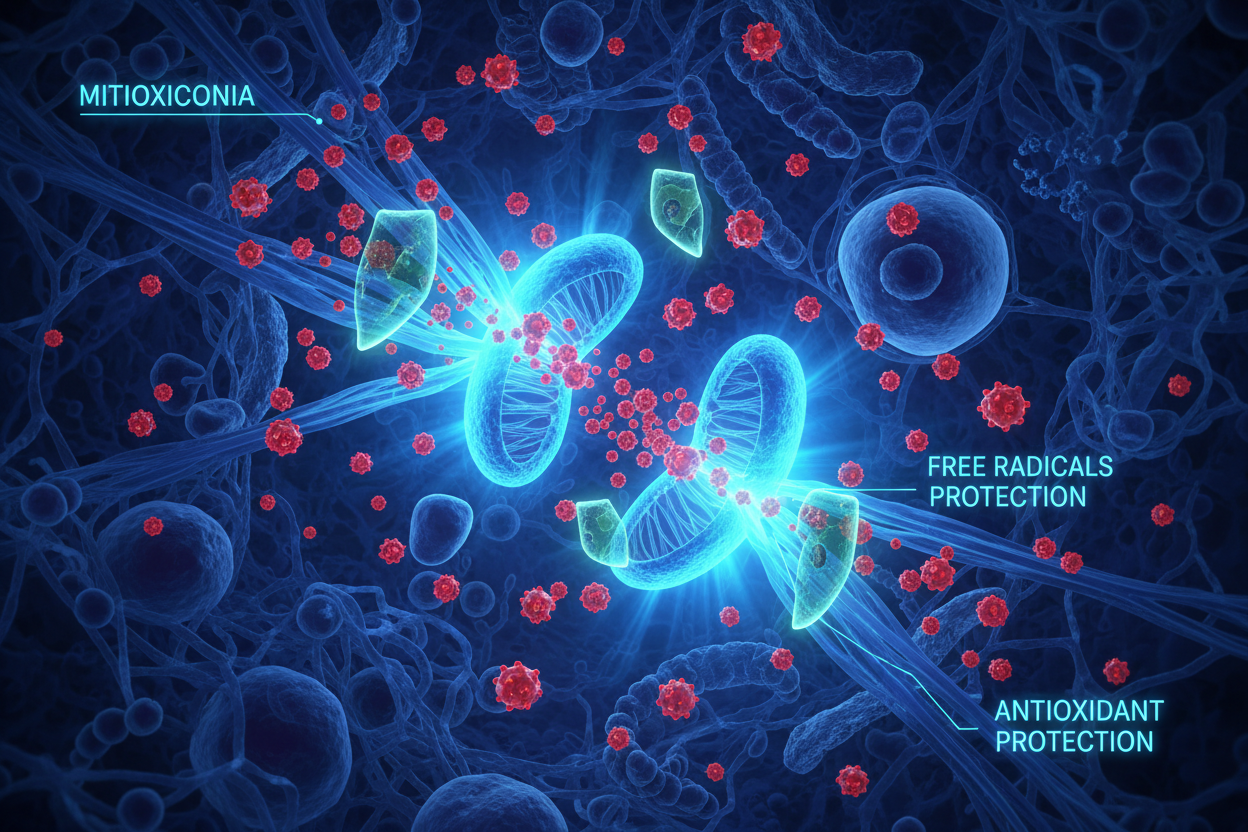
Methylene blue for memory is emerging as one of neuroscience's most compelling interventions. I'm Dr. James Nguyen, a Yale-trained, board-certified neurosurgeon, and the short answer is this: methylene blue works by giving your brain cells more energy — the same way a better battery makes every device run faster. In this guide, I'll break down the exact science, the research on Alzheimer's prevention, and what a safe starting protocol looks like in 2026.
Table of Contents
- What Is Methylene Blue?
- How Methylene Blue Boosts Memory
- Methylene Blue and Alzheimer's Prevention
- Dosage Protocol for Brain Health
- Safety, Side Effects, and Who Should Avoid It
- Frequently Asked Questions
- Methylene blue for memory works by boosting ATP production in neurons — your brain's primary energy currency.
- It crosses the blood-brain barrier directly, unlike most supplements that can't reach brain cells at all.
- Studies show it reduces tau protein tangles — the same kind that cause memory loss in Alzheimer's disease.
- Low doses (0.5–2 mg/kg) appear safe and effective; higher doses can cause side effects including excess serotonin activity.
- Methylene blue stacks well with CoQ10 and phosphatidylserine for compounded cognitive benefit.
- In one sentence: Methylene blue for memory boosts cellular energy in neurons and blocks the protein tangles behind Alzheimer's, based on multiple peer-reviewed animal and human studies.
What Is Methylene Blue?
Methylene blue is a small synthetic molecule that's been around since 1876. It was first used as a fabric dye, then as an antimalarial drug. Today, it's FDA-approved for treating a blood condition called methemoglobinemia — but researchers have discovered something much bigger: it's one of the most potent mitochondrial enhancers ever studied.
Why Neuroscientists Are Paying Attention
Here's the key difference from other brain supplements: most nootropics can't cross the blood-brain barrier. Methylene blue can — easily. Once it's in your brain, it acts as an electron carrier inside your mitochondria. Think of it like upgrading the engine in a car. Same car (your neurons), but now with a more powerful, efficient power source.
How It Differs from Typical Supplements
Most supplements support brain health indirectly — through anti-inflammation or nutrient supply. Methylene blue works differently. It slots directly into the electron transport chain (the biological process that makes ATP) and makes it run faster. This is why even small doses produce noticeable cognitive effects within 30–60 minutes.
'In neurosurgery, we talk about cerebral metabolic rate — how fast the brain consumes energy. Methylene blue is one of the only compounds I know of that can increase this rate safely, at the cellular level, without stimulants.' — Dr. James Nguyen, MD
How Methylene Blue Boosts Memory
Memory is fundamentally an energy problem. Your hippocampus — the part of the brain that forms and stores new memories — is one of the most metabolically demanding regions in your body. When neurons don't have enough ATP, memory encoding suffers first.
The Mitochondrial Connection
A 2014 study published in Cerebral Cortex found that methylene blue enhances oxidative phosphorylation — the process inside mitochondria that generates ATP — in brain tissue. More ATP means faster synaptic signaling, stronger memory consolidation, and quicker information retrieval. According to research from the University of Texas at Austin, rats given methylene blue performed significantly better on spatial memory tests compared to controls.
Acetylcholine and the Memory Neurotransmitter Link
Methylene blue also raises acetylcholine — the neurotransmitter most associated with learning and memory. This happens indirectly: better mitochondrial function supports the enzymatic reactions that produce acetylcholine. Low acetylcholine is one of the hallmarks of Alzheimer's disease, which is why most Alzheimer's drugs (like donepezil) try to preserve it. Methylene blue may address the same problem at a deeper, upstream level.
Methylene Blue vs. Other Memory Supplements
| Compound | Crosses BBB? | Mechanism | Evidence Level |
|---|---|---|---|
| Methylene Blue | Yes (easily) | Mitochondrial electron carrier, tau inhibitor | Human and animal trials |
| Phosphatidylserine | Yes | Cell membrane support | Multiple human RCTs |
| Lion's Mane Mushroom | Limited | NGF stimulation | Small human studies |
| Bacopa Monnieri | Yes | Antioxidant, acetylcholine support | Multiple RCTs |
| Omega-3 DHA | Yes | Membrane fluidity | Strong epidemiological data |
Methylene Blue and Alzheimer's Prevention
Alzheimer's disease has two main drivers: amyloid-beta plaques and tau protein tangles. Methylene blue targets both.
Blocking Tau Tangles
Tau is a protein that normally stabilizes the internal structure of neurons. In Alzheimer's disease, tau misfolds and clumps into tangles that destroy neurons from the inside. A 2021 study in the Journal of Alzheimer's Disease found that methylene blue significantly reduced pathological tau species, relieved memory deficits, and improved vascular problems in a mouse model of frontotemporal dementia. The effect was dose-dependent and statistically significant.
A human exploratory trial (Wischik et al., 2015, J Alzheimers Dis) found that a methylene blue derivative slowed cognitive decline in patients not taking standard Alzheimer's drugs. This is meaningful — most brain supplements only have rodent data. Methylene blue has human trial data too.
Reducing Amyloid-Beta
Does methylene blue reduce amyloid plaques? Yes — a 2011 study in Brain Pathology showed methylene blue reduced amyloid-beta levels and rescued early cognitive deficits in Alzheimer's mice by increasing proteasome activity (your cells' waste-disposal system). Think of it like cleaning out the gutters so water can flow again.
Protecting Aging Mitochondria
Research in the Journal of Alzheimer's Disease by Atamna and Kumar (2010) found that methylene blue protects cytochrome c oxidase — a critical enzyme in the mitochondrial energy chain — from oxidative damage that builds up with age. In plain terms: it helps keep your brain cells' power plants running longer as they age.
For a broader look at how methylene blue supports longevity, read our guide: Methylene Blue for Longevity: What the Research Shows (2026).
Dosage Protocol for Brain Health
Getting the dose right matters. Too little and you won't notice an effect. Too much and you risk side effects — including serotonin overload at very high doses.
The Research-Backed Starting Range
Most published cognitive research uses 0.5–4 mg per kilogram of body weight. For practical reference:
- 130-pound (59 kg) person: 30–236 mg per dose
- 150-pound (68 kg) person: 34–272 mg per dose
- 180-pound (82 kg) person: 41–328 mg per dose
Start at 0.5–1 mg/kg. Most people see clear cognitive benefits at this range with the fewest side effects. For a complete breakdown by goal, see: Methylene Blue Dosage: A Pharmacist's Complete Guide for 2026.
Timing for Best Results
Methylene blue is fast-acting. Take it 30–60 minutes before focused cognitive work — writing, studying, strategy. It pairs well with a morning routine. Avoid taking it within 4 hours of bedtime, as the energy boost can delay sleep onset.
What Form to Use
Pharmaceutical-grade USP methylene blue in a 1% solution is the most studied form. Only use USP-grade — industrial or lab-grade versions contain impurities not safe to ingest. Capsule forms are more convenient, but the liquid form absorbs faster because it enters your bloodstream directly through the oral mucosa.
Safety, Side Effects, and Who Should Avoid It
Methylene blue has a long safety record at low doses. But it's not for everyone, and there are key interactions to know before you start.
Common Side Effects at Low Doses
- Blue or green urine and saliva. Harmless. Just the dye passing through your body.
- Mild nausea. Uncommon under 2 mg/kg. Usually fades after the first week.
- Headache. Rare at low doses. More common above 2 mg/kg.
Who Should NOT Take Methylene Blue
Is methylene blue safe for everyone? No — there are important exceptions:
- G6PD deficiency: This genetic enzyme deficiency makes methylene blue dangerous — it can trigger life-threatening red blood cell breakdown. Always screen for G6PD before using.
- SSRI or MAOI users: At higher doses, methylene blue inhibits MAO-A and raises serotonin. Combining with SSRIs or MAOIs can cause serotonin syndrome — a serious, potentially fatal reaction. Talk to your prescribing doctor first.
- Pregnancy: Insufficient safety data. Avoid during pregnancy and breastfeeding.
Drug Interactions
Methylene blue interacts with serotonergic drugs, antimalarials, and some chemotherapy agents. If you take any prescription medication, review interactions with a licensed clinician. The NIH provides a full pharmacological review: PubMed Bookshelf — Methylene Blue. You can also check combinations using the Mayo Clinic Drug Reference.
Frequently Asked Questions
Does methylene blue actually improve memory?
Yes. Multiple peer-reviewed studies confirm methylene blue improves memory and recall. It works by increasing mitochondrial energy production in neurons and reducing tau protein tangles — two core drivers of memory decline. Both human and animal data support these effects.
How long does it take for methylene blue to help memory?
Most people notice sharper focus and faster recall within 30–60 minutes of a single low dose. Long-term neuroprotective benefits — such as reduced tau accumulation — build over weeks to months of consistent use.
What is the best dose of methylene blue for memory?
Research points to 0.5–2 mg/kg body weight as the sweet spot for cognitive enhancement with the fewest side effects. Start at 0.5 mg/kg, observe your response over 2 weeks, and increase slowly if needed. See our pharmacist's full dosage guide for specific numbers.
Can methylene blue prevent Alzheimer's disease?
No compound can guarantee prevention. But methylene blue directly targets tau tangles and amyloid-beta — the two primary drivers of Alzheimer's pathology. Multiple animal studies and one significant human trial show it reduces these markers and may slow cognitive decline.
Is methylene blue safe for daily use?
At doses under 2 mg/kg, methylene blue appears well-tolerated for daily use in healthy adults without G6PD deficiency. Your urine and saliva may turn blue — that's normal and harmless. Always confirm safety with your physician first, especially if you take medications.
How does methylene blue work in the brain?
It acts as a redox electron carrier inside mitochondria, speeding up ATP production. In the brain, it also blocks tau aggregation, supports acetylcholine synthesis, and protects cytochrome c oxidase — a key enzyme that degrades with age. Three separate mechanisms, working together.
Does methylene blue cross the blood-brain barrier?
Yes — easily. Methylene blue's small size and fat-soluble structure let it cross the blood-brain barrier directly. This is why it produces measurable cognitive effects quickly, unlike many supplements that never reach brain tissue.
Can I stack methylene blue with other nootropics?
Yes. It pairs well with CoQ10 (both support mitochondrial function), phosphatidylserine (cell membrane stability), and alpha-lipoic acid (antioxidant protection). Do not combine with SSRIs, MAOIs, 5-HTP, or St. John's Wort without medical guidance — the combination can raise serotonin to dangerous levels.

Yale School of Medicine | Board-Certified Neurosurgeon
Dr. Nguyen is a Yale-trained, board-certified neurosurgeon with expertise in brain health, cognitive performance, and longevity neuroscience. He advises Better Life Lab on evidence-based protocols for mitochondrial health and neuroprotection. His clinical focus sits at the intersection of modern neuroscience and personalized preventive wellness.
Medical Disclaimer: This article is for educational purposes only and does not constitute medical advice. Methylene blue is not FDA-approved for cognitive enhancement or Alzheimer's prevention. Always consult a licensed physician or pharmacist before starting any new supplement protocol, especially if you take prescription medications or have a known medical condition.
References
- Oz M, Lorke DE, Petroianu GA. Methylene blue and Alzheimer's disease. Biochem Pharmacol. 2009;78(8):927-32. PMID: 19539613
- Gonzalez-Lima F, Barksdale BR, Rojas JC. Mitochondrial support for brain energy metabolism through enhancement of oxidative phosphorylation with methylene blue. Cereb Cortex. 2014;24(1):61-71. PMID: 23178174
- Medina DX, Caccamo A, Oddo S. Methylene blue reduces Aβ levels and rescues early cognitive deficit by increasing proteasome activity. Brain Pathol. 2011;21(2):140-9. PMID: 20731657
- Tucker DW, et al. Methylene Blue Reduces Pathological Tau Species, Relieves Memory Deficits and Improves Associated Vasculopathy in a Novel Transgenic Mouse Model. J Alzheimers Dis. 2021;80(4):1769-93. PMID: 33720896
- Wischik CM, et al. Tau aggregation inhibitor therapy: an exploratory phase 2 study in mild or moderate Alzheimer's disease. J Alzheimers Dis. 2015;44(2):705-27. PMID: 25589723
- Atamna H, Kumar R. Protective role of methylene blue in Alzheimer's disease via mitochondria and cytochrome c oxidase. J Alzheimers Dis. 2010;20 Suppl 2:S439-52. PMID: 20463401
- Rojas JC, et al. Neurological and psychological applications of transcranial lasers and LEDs. Biochem Pharmacol. 2013;86(4):447-57. PMID: 23722140
- Oz M, et al. Cellular and molecular actions of Methylene Blue in the nervous system. Prog Neurobiol. 2011;95(4):585-95. PMID: 21237254
¡Comparte y obtén un 15% de descuento!
¡Simplemente comparte este producto en una de las siguientes redes sociales y desbloquearás un 15% de descuento!