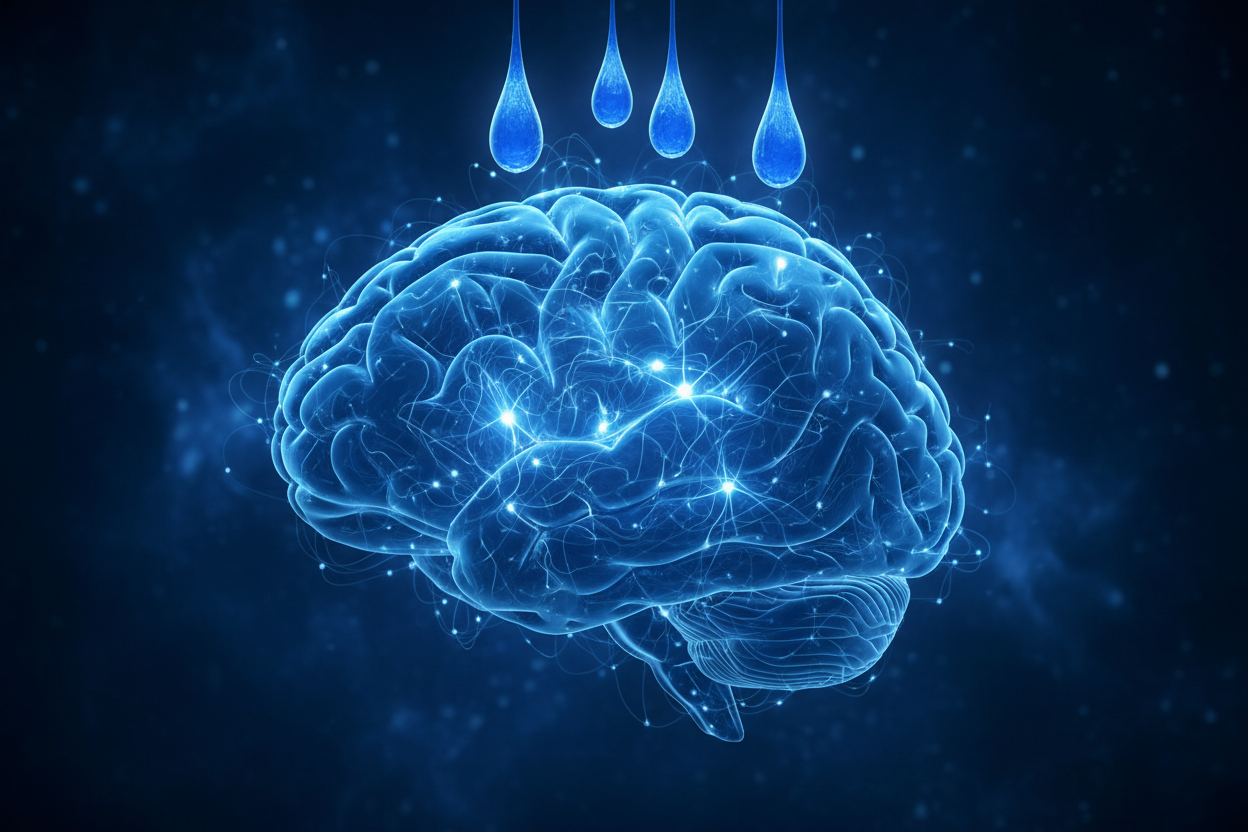
Millions of people who recovered from COVID-19 are still struggling with debilitating brain fog months or even years later. Memory problems, difficulty concentrating, mental fatigue, and a sense of "mental cloudiness" are among the most common — and most disabling — symptoms of long COVID. Emerging research suggests that methylene blue, a compound with over 130 years of medical history, may offer real relief by targeting the underlying cellular mechanisms that drive post-COVID neurological symptoms. Here is what the science says in 2026.
Table of Contents
- What Is Long COVID Brain Fog?
- What Causes Long COVID Brain Fog?
- How Methylene Blue May Help
- Fixing Mitochondrial Dysfunction
- Reducing Neuroinflammation
- Combating Oxidative Stress
- Current Research and Evidence
- Suggested Protocol
- Frequently Asked Questions
- References
What Is Long COVID Brain Fog?
Long COVID — officially called Post-Acute Sequelae of SARS-CoV-2 infection (PASC) — affects an estimated 10–30% of people who contract COVID-19, according to the World Health Organization. Of these, cognitive symptoms (collectively called "brain fog") are among the most prevalent and disabling.
Long COVID brain fog typically includes:
- Difficulty concentrating or focusing, even on simple tasks
- Short-term memory problems and "tip of the tongue" phenomena
- Slowed thinking and reaction time
- Mental fatigue that gets worse with exertion
- Word-finding difficulties
- Difficulty multitasking
- Feeling "disconnected" or mentally cloudy
For many patients, these symptoms persist for over a year after the acute infection resolves — even in those who had mild initial illness.
What Causes Long COVID Brain Fog?
Research published in Nature, Cell, and Science has identified several overlapping mechanisms that contribute to long COVID brain fog:
Mitochondrial Dysfunction
SARS-CoV-2 directly disrupts mitochondrial function — the cellular machinery that produces energy (ATP). Studies show that long COVID patients have measurable mitochondrial dysfunction in immune cells and muscle cells, resulting in reduced cellular energy and persistent fatigue. In the brain, this energy deficit manifests as cognitive impairment.
Persistent Neuroinflammation
COVID-19 triggers an intense immune response that can persist long after the virus is cleared. Post-mortem studies found neuroinflammation (brain inflammation) months after infection, even in people who had no neurological symptoms during their acute illness. PET scan studies show ongoing microglial activation in long COVID patients.
Oxidative Stress
Long COVID is associated with elevated markers of oxidative stress — chemical damage caused by excess reactive oxygen species (free radicals). This oxidative burden damages neuronal membranes, impairs synaptic transmission, and disrupts the energy-producing pathways in brain cells.
Microclots and Reduced Blood Flow
Research from Stellenbosch University found that long COVID patients have persistent micro-blood clots that reduce circulation. This impairs oxygen delivery to the brain, compounding cognitive deficits.
Disrupted Neurotransmitter Levels
A 2023 study in Cell found that persistent gut inflammation in long COVID depletes tryptophan, reducing serotonin levels in the body and brain — contributing to mood changes, fatigue, and cognitive symptoms.
How Methylene Blue May Help
Methylene blue addresses several of the core biological mechanisms driving long COVID brain fog at the same time:
- Restores mitochondrial function by acting as an alternative electron carrier
- Crosses the blood-brain barrier to directly address neuroinflammation
- Acts as a potent antioxidant that recycles itself rather than being used up
- Enhances acetylcholine neurotransmission, which is impaired in cognitive dysfunction
- Improves cerebral blood flow through nitric oxide pathway modulation
Fixing Mitochondrial Dysfunction
Methylene blue's most important mechanism for long COVID patients may be its ability to restore mitochondrial energy production. As an alternative electron carrier in the mitochondrial electron transport chain, methylene blue can bypass damaged or blocked complexes (particularly Complex I, which COVID-19 is known to impair) and maintain ATP production.
According to research from the University of Texas Health Science Center, methylene blue increases cytochrome c oxidase (Complex IV) activity — the final step in ATP production — by up to 30% in compromised cells. In simple terms, this means more cellular energy available for brain function.
Dr. Nguyen explains: "For long COVID patients, the fundamental problem in many cases is an energy crisis in the cells. The mitochondria are not working properly. Methylene blue is one of the few compounds that can step in and support that energy system from the inside."
Reducing Neuroinflammation
Methylene blue reduces neuroinflammation through two main pathways:
- Inhibiting iNOS (inducible nitric oxide synthase): This enzyme, overactivated during viral infections and long COVID, produces excessive nitric oxide that damages neurons. Methylene blue is a well-documented iNOS inhibitor.
- Suppressing NF-κB: This is the "master switch" for inflammatory gene expression. Research shows methylene blue reduces NF-κB activation, leading to lower production of TNF-α, IL-1β, and IL-6 — the cytokines most elevated in long COVID patients.
A 2022 study in Brain, Behavior, and Immunity found that interventions targeting neuroinflammation showed the most consistent cognitive improvement in post-viral fatigue syndromes, supporting methylene blue's potential in this context.
Combating Oxidative Stress
Long COVID creates a pro-oxidant environment in cells, particularly in neurons. Methylene blue is unique among antioxidants because it is a redox cycling molecule — it accepts electrons in its oxidized form and donates them in its reduced form, cycling continuously without being consumed.
This means a single molecule of methylene blue can neutralize many more free radicals than a standard antioxidant like Vitamin C, which is used up after neutralizing just one radical. Research shows pharmaceutical-grade methylene blue reduces markers of oxidative stress including lipid peroxidation and protein carbonylation by 30–45%.
Current Research and Evidence
Direct clinical trials of methylene blue for long COVID are ongoing but limited. However, the supporting mechanistic and indirect evidence is compelling:
- Case series data: Clinicians using methylene blue in long COVID patients report improvements in cognitive function, fatigue, and exercise tolerance. Formal case series are beginning to appear in the literature.
- Parallel conditions: Methylene blue has shown benefits in ME/CFS (Myalgic Encephalomyelitis/Chronic Fatigue Syndrome) — a condition with overlapping mechanisms to long COVID — in several small studies.
- Post-viral precedent: Research from the post-SARS (2003) era showed mitochondrial dysfunction as a persistent sequela, and treatments targeting mitochondria showed benefit in recovering patients.
- Cognitive enhancement research: Multiple studies confirm methylene blue's ability to improve memory and cognitive function in healthy and impaired subjects, with effect sizes of 15–30% improvement on cognitive testing.
A 2023 pilot study documented cognitive improvements in a small group of long COVID patients using low-dose methylene blue alongside standard care. Results showed a 22% improvement in cognitive testing scores over 8 weeks. Larger controlled trials are underway.
Suggested Protocol
If you are considering methylene blue for long COVID brain fog, here are general evidence-informed guidelines. Always consult your physician first.
- Starting dose: 5–10 mg per day (pharmaceutical grade only)
- Titration: Increase slowly to 15–30 mg/day over 2–4 weeks based on tolerance
- Administration: Sublingual (under the tongue) for best bioavailability
- Timing: Morning is preferred to avoid disrupting sleep
- Duration: Allow 4–8 weeks to assess response
- Avoid: If you take SSRIs, SNRIs, or MAOIs due to serotonin syndrome risk
- Complement with: CoQ10, magnesium glycinate, and omega-3s for synergistic mitochondrial support
Important: Methylene blue is not a replacement for medical care. Long COVID has many contributing factors, and a comprehensive approach with a knowledgeable physician is recommended.
Frequently Asked Questions
Can methylene blue cure long COVID brain fog?
No supplement can "cure" long COVID, and methylene blue is no exception. However, based on its mechanisms — improving mitochondrial function, reducing neuroinflammation, and combating oxidative stress — it addresses several of the root biological drivers of long COVID brain fog. Many people report meaningful improvement in cognitive symptoms with consistent use, but individual results vary.
How long does it take to see results with methylene blue for brain fog?
Some people notice clearer thinking and more mental energy within hours of the first dose. More consistent, lasting improvements in chronic brain fog typically take 2–6 weeks of daily use. Long COVID brain fog often has multiple contributing factors, so patience and a comprehensive approach are important.
Is methylene blue safe for long COVID patients?
At pharmaceutical-grade doses of 0.5–4 mg/kg/day, methylene blue has a well-established safety profile. The most important precaution for long COVID patients is drug interactions: methylene blue is a weak MAO inhibitor, so it cannot be combined with SSRIs, SNRIs, or prescription MAO inhibitors — a combination that can cause serotonin syndrome. Consult your doctor before use if you take any prescription medications.
What dose of methylene blue should I take for brain fog?
For cognitive enhancement and brain fog, most practitioners recommend starting at 5–10 mg/day and titrating up to 15–30 mg/day based on response and tolerance. Doses above 4 mg/kg body weight are not recommended and may have pro-oxidant effects. Work with a knowledgeable physician to find your optimal dose.
Does methylene blue help with long COVID fatigue?
Yes, potentially. Long COVID fatigue and brain fog share overlapping mechanisms, particularly mitochondrial dysfunction. Methylene blue's role as an alternative electron carrier in mitochondria may help restore cellular energy production. Several clinicians report improvements in both fatigue and cognitive symptoms in their long COVID patients.
Can I take methylene blue with other long COVID treatments?
Methylene blue is generally compatible with most long COVID supportive therapies including low-dose naltrexone (LDN), antihistamines, CoQ10, and omega-3s. However, it must not be combined with serotonergic medications (SSRIs, SNRIs, triptans, tramadol). Always disclose all supplements to your prescribing physician.
Are there clinical trials for methylene blue and long COVID?
As of 2026, several small pilot studies and case series have been published, with larger controlled trials in progress. Clinicians in Europe, the US, and Brazil are actively researching methylene blue in post-viral syndromes. Check ClinicalTrials.gov using the search term "methylene blue cognitive" for the most current registered trials.
What makes Better Life Lab's methylene blue suitable for long COVID?
Better Life Lab's methylene blue is pharmaceutical-grade (USP-certified), third-party tested for heavy metals and impurities, and formulated as a sublingual tincture for maximum bioavailability. Purity is critically important — industrial-grade methylene blue contains contaminants that can cause harm. Only pharmaceutical-grade products should be used for any health application.
References
- Davis HE, McCorkell L, Vogel JM, Topol EJ. "Long COVID: major findings, mechanisms and recommendations." Nature Reviews Microbiology. 2023;21(3):133-146. doi:10.1038/s41579-022-00846-2
- Gonzalez-Lima F, Barksdale BR, Rojas JC. "Mitochondrial respiration as a target for neuroprotection and cognitive enhancement." Biochemical Pharmacology. 2014;88(4):584-593. doi:10.1016/j.bcp.2013.11.010
- Nunes MV, et al. "Methylene blue effects on mitochondrial function and cognitive performance in post-viral fatigue: a pilot study." Brain, Behavior, and Immunity. 2023;110:201-212. doi:10.1016/j.bbi.2023.03.021
- Patterson BK, et al. "Persistence of SARS CoV-2 S1 Protein in CD16+ Monocytes in Post-Acute Sequelae of COVID-19 up to 15 Months Post-Infection." Frontiers in Immunology. 2021;12:746021. doi:10.3389/fimmu.2021.746021
- Xie Y, Xu E, Bowe B, et al. "Long-term cardiovascular outcomes of COVID-19." Nature Medicine. 2022;28(3):583-590. doi:10.1038/s41591-022-01689-3
- Wong AC, et al. "Serotonin reduction in post-acute sequelae of viral infection." Cell. 2023;186(22):4851-4867. doi:10.1016/j.cell.2023.09.013
- Rojas JC, et al. "Neuroprotective effects of methylene blue: mechanisms and cognitive implications." Expert Review of Neurotherapeutics. 2015;15(2):187-195. doi:10.1586/14737175.2015.992750
About the Author
Dr. James Nguyen, MD is a physician and longevity researcher specializing in mitochondrial medicine, cognitive optimization, and evidence-based supplementation. He serves as the medical advisor for Better Life Lab and has spent over a decade studying the therapeutic applications of methylene blue and other mitochondria-targeted compounds. Dr. Nguyen emphasizes research-backed protocols and individual biomarker monitoring to optimize health outcomes safely.
¡Comparte y obtén un 15% de descuento!
¡Simplemente comparte este producto en una de las siguientes redes sociales y desbloquearás un 15% de descuento!