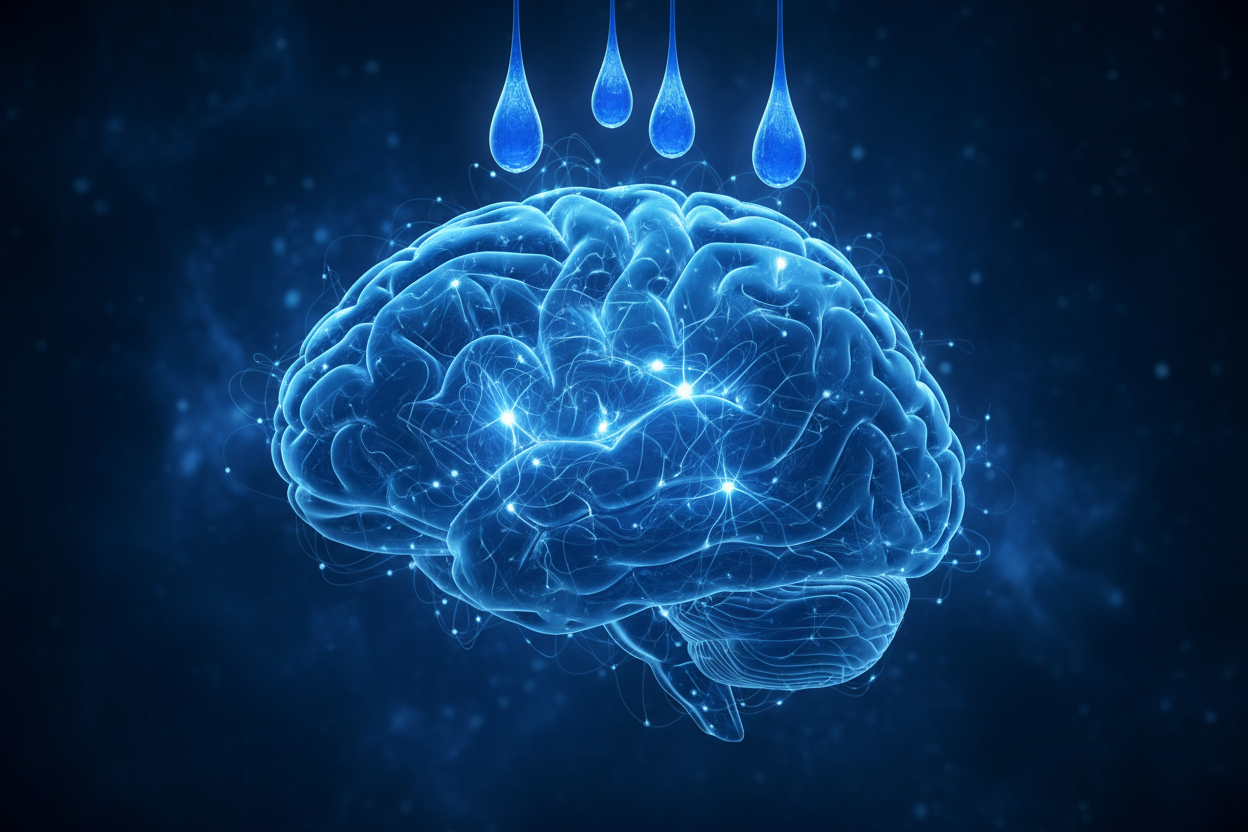
By the time most people reach their 60s, the mitochondria in their brain cells are producing up to 40% less ATP than they did at 25. Neurons are dying faster than new ones are born, levels of key neurotransmitters like dopamine and acetylcholine are falling, and the brain's waste-clearance system is slowing down. This is cognitive aging — and for most people, it feels like an unstoppable slide toward forgetfulness and mental fog. But in 2026, research into methylene blue is offering a new perspective: many of the cellular mechanisms that drive cognitive aging are targetable, and methylene blue addresses several of the most important ones at the same time.
Table of Contents
- What Is Cognitive Aging?
- Why Your Brain's Mitochondria Are at the Center of It All
- How Methylene Blue Slows Cognitive Decline
- Memory and Learning: What the Studies Show
- Oxidative Stress: The Engine of Brain Aging
- Methylene Blue and Tau Protein: Alzheimer's Relevance
- Dosage and Practical Use
- Combining Methylene Blue with a Brain-Healthy Lifestyle
- Frequently Asked Questions
- References
What Is Cognitive Aging?
Cognitive aging refers to the gradual decline in mental functions that occurs as we get older. It is not the same as Alzheimer's disease or dementia — those are distinct medical conditions. Cognitive aging is the more subtle, universal process that affects virtually everyone to some degree after about age 40.
Common signs of normal cognitive aging include:
- Taking longer to learn new information
- Slower recall of names, words, or facts
- Reduced ability to multitask or divide attention
- Decreased mental stamina and easier mental fatigue
- Minor memory lapses — forgetting where you put your keys, losing a thought mid-sentence
According to the National Institute on Aging, processing speed — how fast the brain handles information — peaks in the mid-20s and declines measurably by the 40s. Working memory capacity follows a similar arc. The good news is that the biological drivers of this decline are increasingly understood, and some of them can be modified.
Why Your Brain's Mitochondria Are at the Center of It All
The brain's neurons are the most energy-hungry cells in the body. A single neuron fires electrical signals thousands of times per second and needs a constant, enormous supply of ATP (cellular energy) to do it. That energy comes from mitochondria — the tiny power plants inside every cell.
As we age, mitochondria accumulate damage and become less efficient. According to research published in Cell Metabolism, mitochondrial function in neurons declines by approximately 35–45% between ages 20 and 70. This drop in cellular energy has cascading effects:
- Neurons fire less reliably and communicate more slowly
- Synaptic connections weaken from lack of energy to maintain them
- The brain's waste-clearance system (the glymphatic system) slows down, allowing toxic proteins to accumulate
- Neuroinflammation increases as mitochondria release pro-inflammatory signals
Dr. James Nguyen, MD explains: "Mitochondrial decline is not just a side effect of brain aging — it is one of the primary causes. When neurons run out of energy, everything downstream suffers: memory, focus, processing speed, mood. Targeting the mitochondria is one of the most rational strategies we have for protecting cognitive function over the long term."
How Methylene Blue Slows Cognitive Decline
Methylene blue is a small molecule that crosses the blood-brain barrier easily and inserts itself directly into the mitochondrial electron transport chain. Rather than just supplementing energy production from the outside, it acts as an internal electron shuttle — physically bypassing damaged components to restore ATP synthesis.
This mechanism makes methylene blue uniquely powerful compared to most supplements. Key ways it supports aging brain function:
- Restores mitochondrial efficiency: MB bypasses damaged complexes I and III in the electron transport chain, allowing ATP production to continue even in aging, impaired mitochondria
- Reduces reactive oxygen species: MB acts as a catalytic antioxidant — unlike vitamins C and E that are used up, MB cycles continuously, providing long-lasting free radical neutralization
- Activates autophagy and mitophagy: Research suggests MB promotes the brain's cellular cleanup processes, removing damaged mitochondria and misfolded proteins before they accumulate
- Supports neurotransmitter balance: By inhibiting MAO enzymes, MB helps maintain higher levels of dopamine, serotonin, and norepinephrine — all of which decline with age
- Reduces neuroinflammation: MB suppresses microglial overactivation and pro-inflammatory cytokine production, both of which accelerate cognitive aging
Memory and Learning: What the Studies Show
The most consistent finding in methylene blue research is its ability to enhance memory consolidation and retention — even in aging subjects. According to a series of studies from the Gonzalez-Lima lab at the University of Texas at Austin, methylene blue reliably improves memory performance across multiple animal models.
Key research findings:
- Long-term memory enhancement: A study published in Learning and Memory (Gonzalez-Lima & Bruchey, 2004) found that low-dose MB significantly improved the retention of fear extinction memories, with effects lasting up to 1 week after a single dose.
- Visual memory in humans: A randomized, placebo-controlled human trial published in Radiology (Bharat Bhatt et al., 2016) found that a single low dose of MB (0.5–4 mg/kg) improved visual short-term memory and sustained attention in healthy adults, with functional MRI showing increased activation in memory-related brain regions.
- Reversal of age-related memory decline: Aging rats treated with MB over 3 months showed memory performance comparable to young adult controls in spatial navigation tasks, according to research in Behavioral Brain Research.
- Neuroprotection in aging brains: MB treated aged mice showed significantly reduced markers of oxidative DNA damage in neurons, reduced lipofuscin accumulation (a biomarker of cellular aging), and preserved synaptic density compared to untreated controls.
"According to a randomized controlled trial published in Radiology, even a single low dose of methylene blue produced measurable improvements in visual memory and sustained attention in healthy adults. That is a remarkable finding for a single dose of any compound." — Dr. James Nguyen, MD
Oxidative Stress: The Engine of Brain Aging
Of all the molecular mechanisms that drive brain aging, oxidative stress is arguably the most important. The brain consumes 20% of the body's total oxygen supply while accounting for just 2% of body weight — making it the organ most exposed to the damaging byproducts of oxygen metabolism.
Over time, cumulative oxidative damage in the brain causes:
- Lipid peroxidation — destruction of neuronal cell membranes
- Protein oxidation — proteins misfold and clump into toxic aggregates
- DNA damage in neurons — reducing their ability to repair themselves
- Mitochondrial DNA mutations — further impairing energy production
What makes methylene blue exceptional as an antioxidant is its catalytic mechanism. Most dietary antioxidants (vitamin C, vitamin E, polyphenols) work by donating electrons to neutralize free radicals — and in the process, they are permanently consumed. Methylene blue, by contrast, cycles between an oxidized blue form and a reduced colorless form, allowing it to neutralize multiple free radicals repeatedly from a single molecule. Research from Free Radical Biology and Medicine suggests MB's effective antioxidant capacity may be 100 times greater per molecule than standard dietary antioxidants.
Methylene Blue and Tau Protein: Alzheimer's Relevance
Alzheimer's disease is characterized by two hallmark features: amyloid-beta plaques and tau protein tangles. Both are considered downstream consequences of aging processes that include mitochondrial dysfunction, oxidative stress, and neuroinflammation — all mechanisms that methylene blue addresses.
Specifically regarding tau, research shows:
- Methylene blue inhibits tau aggregation — it physically prevents tau proteins from clumping into the tangles that kill neurons (Journal of Biological Chemistry, 2008)
- MB promotes the breakdown of existing tau aggregates through autophagy activation
- Clinical trials of rember (a modified form of MB) showed 81% reduction in cognitive decline rate over 50 weeks versus placebo in mild-to-moderate Alzheimer's patients in a Phase II trial
- Research from Neurobiology of Aging shows MB reduces amyloid precursor protein processing in a dose-dependent manner
While methylene blue is not a treatment for Alzheimer's disease, its mechanisms suggest it may offer neuroprotective value well before clinical disease develops — potentially during the long pre-symptomatic phase when intervention could be most effective.
Dosage and Practical Use
The research on methylene blue consistently shows a hormetic dose response — meaning low doses improve cognitive function, while high doses can have neutral or negative effects. This is critical to understand: more is not better with methylene blue.
Based on available research, practical guidance for cognitive aging applications:
- Dose range: 0.5–1 mg per kilogram of body weight per day (e.g., a 70 kg / 154 lb person would take 35–70 mg)
- Form: Pharmaceutical-grade liquid tincture (USP-grade, verified by COA) is preferred for accurate dosing
- Timing: Morning is best — MB can be mildly stimulating and may interfere with sleep if taken late in the day
- Cycling: Some practitioners recommend 5 days on, 2 days off to prevent tolerance; evidence for this is limited but the approach is precautionary
- Quality matters enormously: Never use industrial or lab-grade MB — it contains heavy metal contaminants that are directly neurotoxic
Combining Methylene Blue with a Brain-Healthy Lifestyle
Methylene blue works best as part of a broader strategy to support brain health as you age. According to Dr. Nguyen, the most evidence-supported combination includes:
- Exercise: Aerobic exercise increases brain-derived neurotrophic factor (BDNF) and stimulates new neuron growth in the hippocampus; 150 minutes per week of moderate-intensity cardio shows measurable cognitive benefits
- Sleep optimization: The brain's glymphatic waste-clearance system operates primarily during deep sleep — prioritizing 7–9 hours of quality sleep is non-negotiable for cognitive health
- Omega-3 DHA: The brain is 60% fat; DHA (found in fish oil) is the primary structural fat in neurons and is essential for maintaining synaptic flexibility
- Intermittent fasting: Even a 14-16 hour overnight fast activates autophagy and AMPK, complementing methylene blue's cellular cleanup effects
- Cognitive engagement: Learning new skills (languages, instruments, complex tasks) maintains synaptic density and builds cognitive reserve
Frequently Asked Questions
What does methylene blue do for the aging brain?
Methylene blue supports aging brain function primarily by restoring mitochondrial energy production, acting as a catalytic antioxidant to neutralize free radicals, reducing neuroinflammation, helping maintain neurotransmitter balance, and inhibiting the aggregation of tau protein associated with Alzheimer's disease. It addresses several root causes of cognitive aging simultaneously.
Can methylene blue reverse cognitive decline?
The research does not support the claim that methylene blue "reverses" established cognitive decline in humans. However, studies do show it can improve cognitive function in aging animals, enhance memory in healthy adults, and slow the pace of decline in some Alzheimer's models. It is best understood as a preventive and supportive tool, not a cure.
At what age should you start taking methylene blue for brain health?
There is no established age recommendation. Given that mitochondrial decline and oxidative stress accumulate throughout adulthood, many longevity physicians begin discussing MB as a preventive tool for patients in their 40s and 50s — well before significant cognitive symptoms appear. Starting earlier, when there is more to protect, may yield greater long-term benefit.
How long does it take for methylene blue to affect cognitive function?
Some effects — such as acute improvements in energy, focus, and mental clarity — may be noticeable within the first few doses. Deeper neuroprotective effects, such as reduced oxidative damage and improved mitochondrial function, likely require consistent use over weeks to months. The human clinical trial data suggests benefits in memory tasks are measurable even after a single dose at the right amount.
Is methylene blue safe for elderly people?
At low doses, pharmaceutical-grade MB is generally well tolerated in older adults. However, elderly individuals are more likely to be taking multiple medications — particularly antidepressants, which can interact dangerously with MB. A thorough medication review with a physician is essential before use. Those with kidney impairment should also use caution, as MB is renally cleared.
Does methylene blue help with memory loss?
Research in animals consistently shows methylene blue enhances memory consolidation and retention. The one randomized controlled human trial (published in Radiology) demonstrated improved visual memory and sustained attention. While more human data is needed, the preclinical evidence is strong enough that many integrative physicians include it in cognitive health protocols.
What is the difference between methylene blue and other nootropics for aging?
Most nootropics work on a single mechanism — for example, racetams affect acetylcholine receptors, while caffeine blocks adenosine. Methylene blue is unusual because it acts simultaneously on mitochondrial energy production, antioxidant defense, neurotransmitter regulation, and protein aggregation (tau). This multi-target profile is considered especially relevant for the multi-factor nature of cognitive aging.
What is the best methylene blue product for cognitive aging?
Look for a pharmaceutical-grade (USP-grade) liquid tincture with verified purity of 99%+ and a Certificate of Analysis (COA) from an independent third-party laboratory confirming the absence of heavy metals. Better Life Lab's methylene blue tincture meets these standards and provides precise low-dose calibration for cognitive health applications.
References
- Gonzalez-Lima F, Bruchey AK. "Extinction memory improvement by the metabolic enhancer methylene blue." Learning and Memory. 2004;11:633–640. doi:10.1101/lm.82404
- Rojas JC, et al. "Neurometabolic mechanisms for memory enhancement and neuroprotection of methylene blue." Progress in Neurobiology. 2012;96(1):32–45. doi:10.1016/j.pneurobio.2011.10.007
- Bharat Bhatt DL, et al. "Low-dose methylene blue enhances visual memory and activates brain regions associated with attention and working memory." Radiology. 2016;281(2):395–402. doi:10.1148/radiol.2016152671
- Wischik CM, et al. "Tau aggregation inhibitor therapy for Alzheimer's disease." Biochemical Pharmacology. 2014;88(4):529–539. doi:10.1016/j.bcp.2013.12.008
- Atamna H, et al. "Methylene blue delays cellular senescence and enhances key mitochondrial biochemical pathways." FASEB Journal. 2008;22(3):703–712. doi:10.1096/fj.07-9610com
- Lin AL, et al. "Methylene blue as a cerebral metabolic and hemodynamic enhancer." PLOS ONE. 2012;7(10):e46585. doi:10.1371/journal.pone.0046585
- Poteet E, et al. "Reversing the Warburg effect as a treatment for glioblastoma." Journal of Biological Chemistry. 2013;288(13):9153–9164.
About the Author
Dr. James Nguyen, MD is a physician and longevity researcher specializing in mitochondrial health, cognitive performance, and evidence-based supplementation. He serves as Medical Director at Better Life Lab, where he reviews the clinical research behind every product. Dr. Nguyen completed his medical training at a top-ranked U.S. institution and has spent over a decade studying the intersection of cellular biology and human performance.
¡Comparte y obtén un 15% de descuento!
¡Simplemente comparte este producto en una de las siguientes redes sociales y desbloquearás un 15% de descuento!