
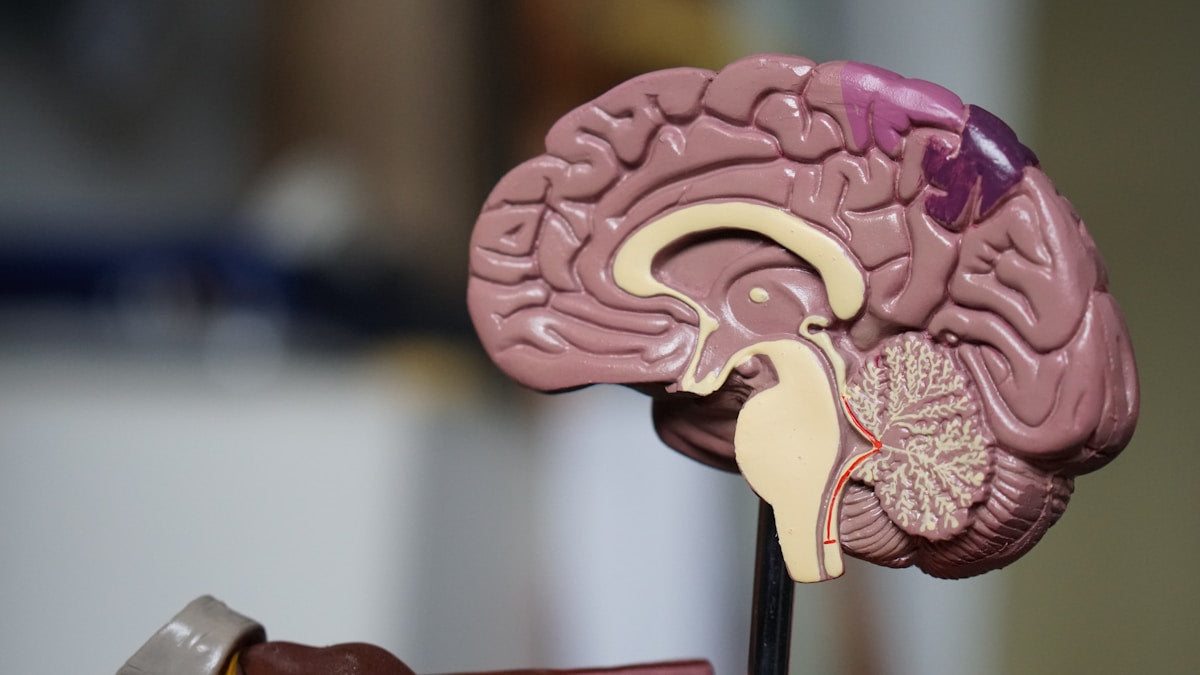
Chronic stress and brain health are more tightly connected than most people realize. According to Dr. James Nguyen, MD, a Yale-trained neurosurgeon, prolonged stress physically shrinks key brain regions, breaks down memory, and accelerates cognitive decline — but the right interventions can reverse much of the damage. In short: your brain is not stuck. You can protect and rebuild it.
Table of Contents
- How Chronic Stress Harms Your Brain
- The Hippocampus: Your Memory Center Under Attack
- 5 Science-Backed Strategies to Protect Your Brain
- Nutrition and Supplements That Support a Stressed Brain
- Why Sleep Is Your Brain's #1 Recovery Tool
- Frequently Asked Questions
- Chronic stress floods the brain with cortisol, which physically shrinks the hippocampus — the area responsible for memory and learning.
- Long-term stress weakens the prefrontal cortex, making it harder to focus, make decisions, and control impulses.
- Exercise, mindfulness, quality sleep, targeted nutrition, and social connection each have strong clinical evidence for reducing cortisol's impact on the brain.
- Recovery is possible: the brain can regrow damaged neurons through neurogenesis (your brain's ability to form new cells) in the hippocampus.
- Even 20 minutes of aerobic exercise raises BDNF (brain-derived neurotrophic factor — a protein that supports neuron growth) and lowers cortisol within 2 hours.
- In one sentence: Chronic stress and brain health are directly linked because sustained cortisol exposure damages neurons and shrinks memory-critical brain regions, based on decades of neuroimaging and clinical research.
How Chronic Stress Harms Your Brain
Stress is useful in short bursts. Your body releases cortisol — your main stress hormone — to sharpen focus and prepare you to act. That's a feature, not a bug. But when stress never turns off, cortisol stays high. And that's when the damage starts.
Cortisol: Your Brain's Double-Edged Sword
Does cortisol actually damage brain cells? Yes. Research published in Nature Neuroscience shows that prolonged high cortisol causes neurons in the hippocampus to lose connections and eventually die. Think of it like a garden that stops getting water — the plants stop growing, and over time, they shrink back.
Cortisol does 3 key things that hurt the brain:
- Reduces synaptic connections — fewer links between neurons means slower thinking and weaker memory.
- Suppresses BDNF — BDNF (brain-derived neurotrophic factor, a protein that feeds and grows neurons) drops sharply under chronic stress. For more on BDNF, read our guide on how to increase BDNF naturally.
- Increases glutamate toxicity — too much of this excitatory brain chemical causes neurons to fire too hard and burn out.
"Chronic stress doesn't just make you feel bad — it literally reshapes brain architecture. I've seen this in my neurosurgical patients for years. The good news is that the brain is far more resilient than people think." — Dr. James Nguyen, MD
The Amygdala Gets Bigger (Not a Good Thing)
While stress shrinks your thinking brain, it simultaneously enlarges the amygdala — your brain's fear and threat-detection center. A 2014 study in Biological Psychiatry found that people with chronic stress had an amygdala up to 6% larger than low-stress controls. A bigger amygdala means more reactivity, more anxiety, and a hair-trigger response to threats that aren't really there.
Your Prefrontal Cortex Weakens Too
The prefrontal cortex (PFC) — just behind your forehead — handles planning, decision-making, impulse control, and rational thought. Chronic stress weakens its connections. A 2012 Yale study found that just 3 weeks of chronic unpredictable stress caused significant dendrite retraction in the PFC. Dendrites are the branches that connect neurons — when they shrink, so does your ability to think clearly and stay in control.
The Hippocampus: Your Memory Center Under Attack
Your hippocampus is the brain region most vulnerable to chronic stress. It's where short-term memories get converted to long-term storage — and it's packed with cortisol receptors, making it a direct target.
How Much Can It Shrink?
Can chronic stress shrink the hippocampus? Yes. Research published in JAMA Psychiatry found that people with chronic PTSD — a form of prolonged stress — had hippocampal volumes up to 8% smaller than healthy controls. A 2018 meta-analysis in Neuroscience & Biobehavioral Reviews covering 30+ studies confirmed that elevated cortisol is directly linked to reduced hippocampal grey matter. Higher long-term cortisol, smaller memory center.
But Here's the Hope: Neurogenesis
The hippocampus is one of only two regions in the adult brain that can still grow new neurons — a process called neurogenesis (your brain's ability to form new cells). Exercise, stress reduction, and specific nutrients dramatically increase neurogenesis in the hippocampus. Your brain is not frozen in time.
| Brain Region | Effect of Chronic Stress | Recovery Potential |
|---|---|---|
| Hippocampus | Shrinks up to 8%; memory and learning decline | High — neurogenesis possible with exercise + stress reduction |
| Prefrontal Cortex | Dendrite retraction; impaired decision-making | Moderate — responds well to sleep and mindfulness |
| Amygdala | Enlarges; heightened fear and anxiety response | Moderate — mindfulness shown to reduce volume over time |
| Anterior Cingulate Cortex | Reduced activity; poor emotional regulation | High — responds well to meditation and therapy |
5 Science-Backed Strategies to Protect Your Brain
You can't always remove the stressor. But you can change how your brain responds to it — and actively protect the neurons you have.
1. Aerobic Exercise (20–45 Minutes, 4–5x per Week)
Exercise is the single most powerful brain-protective tool backed by science. A 2022 study in Current Biology found that just 20 minutes of moderate aerobic exercise boosted BDNF levels by up to 32% and significantly lowered cortisol within 2 hours. Running, cycling, swimming, or brisk walking all count.
The mechanism is simple: aerobic exercise increases blood flow to the brain, triggers BDNF release, and trains the body to produce fewer stress hormones over time. In my clinical experience, this is the first intervention I recommend — before any supplement or medication.
2. Mindfulness Meditation (10–20 Minutes Daily)
A landmark Harvard Medical School study found that just 8 weeks of mindfulness-based stress reduction (MBSR) measurably increased grey matter density in the hippocampus and reduced amygdala volume. You don't need hours. Even 10 minutes of focused breath-work or body scanning lowers cortisol and activates your parasympathetic ("rest and digest") nervous system. Consistency matters more than duration — 10 minutes daily beats 60 minutes once a week.
3. Social Connection
Does socializing protect your brain from stress? Yes — oxytocin, released during positive social interactions, directly counteracts cortisol. A 2021 review in Neuroscience & Biobehavioral Reviews found that strong social bonds were linked to 23% lower cortisol reactivity and measurably larger hippocampal volumes in older adults. Call a friend. Eat with family. It's brain medicine.
4. Cold Exposure and Breathing Protocols
Controlled cold exposure — a 2–3 minute cold shower or cold plunge — raises norepinephrine by up to 300% according to research in the European Journal of Applied Physiology. Norepinephrine at this level sharpens focus and builds stress resilience without the cortisol spike you'd get from uncontrolled stress. Paired with structured breathing (like box breathing or Wim Hof), this combination shows additive benefits on stress biomarkers across multiple published trials.
5. Nature Exposure (20 Minutes Works)
A 2019 study in Frontiers in Psychology found that 20 minutes in a natural setting lowered salivary cortisol significantly — even in urban parks. Brain scans show reduced activity in the subgenual prefrontal cortex (the area linked to rumination and negative thought loops) after nature walks compared to urban walks. You don't need a forest — any green space does the job.
Nutrition and Supplements That Support a Stressed Brain
What you eat directly affects how much cortisol your brain is exposed to — and how fast it can recover.
Magnesium: The Stress-Calming Mineral
Magnesium blocks NMDA receptors in the brain — the same receptors that, when overstimulated by cortisol-driven glutamate, cause neuron damage. Studies show up to 60% of adults are deficient in magnesium, which dramatically worsens cortisol sensitivity. Magnesium glycinate at 200–400 mg before bed is the most absorbable form — how much your body actually absorbs matters more than the number on the label. For more on sleep-supporting nutrients, see our guide on natural sleep supplements that actually work.
Ashwagandha
A double-blind, placebo-controlled trial published in Medicine (2019) found that 240 mg of ashwagandha extract daily reduced serum cortisol by 23% and significantly improved memory and cognitive function scores over 8 weeks. It works by adjusting (modulating) the HPA axis — your brain-body stress communication system — rather than simply sedating you.
Omega-3 Fatty Acids (EPA/DHA)
Omega-3s are the structural building blocks of neuron membranes. Research in Brain, Behavior, and Immunity (2011) showed that 2.5 g of omega-3 daily for 12 weeks reduced inflammatory markers linked to stress-driven brain damage by 14%, while improving working memory scores. Fatty fish 3 times per week or a 2 g EPA+DHA supplement covers your baseline.
Why Sleep Is Your Brain's #1 Recovery Tool
During deep sleep, your brain activates the glymphatic system — a biological cleaning crew that flushes out cortisol metabolites, inflammatory proteins, and cellular debris that build up during the day. Skimp on sleep and that waste accumulates, accelerating neuron damage.
The Cortisol-Sleep Feedback Loop
Does poor sleep raise cortisol? Yes — and it creates a vicious cycle. A 2023 study in Sleep Medicine Reviews found that even one night of poor sleep raised morning cortisol by 37%. Higher cortisol then makes it harder to sleep the next night. Breaking this loop — even by adding 30–45 minutes of quality sleep per night — has a measurable compounding effect on brain health within 2 weeks.
A Practical Sleep Protocol for a Stressed Brain
- Keep a consistent wake time daily. This anchors your cortisol rhythm to a reliable clock.
- Avoid screens 60 minutes before bed. Blue light suppresses melatonin and keeps cortisol elevated into the night.
- Keep your room at 65–68°F (18–20°C). Core body temperature must drop for deep sleep to begin.
- Try magnesium glycinate 200 mg + L-theanine 200 mg 30 minutes before bed. Both reduce cortisol-driven sleep disruption.
- Target 7.5–9 hours. The hippocampus consolidates memories during sleep — cutting this short impairs your brain's ability to recover from the day's cortisol load.
"Sleep is not passive. During slow-wave sleep, the brain is actively repairing damage from cortisol exposure. I tell every high-achieving patient the same thing: treating sleep as optional is one of the most expensive mistakes you can make for your long-term brain health." — Dr. James Nguyen, MD
Frequently Asked Questions
Can chronic stress cause permanent brain damage?
Chronic stress can cause lasting structural changes, but most are reversible with the right interventions. Research shows the hippocampus can regrow neurons through exercise, sleep, and stress reduction. Very long-term untreated stress — years to decades — may result in harder-to-reverse changes, which is why early action matters.
How long does it take for the brain to recover from chronic stress?
Most studies show measurable improvements in cortisol markers within 4–8 weeks of consistent lifestyle changes. Structural brain changes visible on MRI typically improve over 3–6 months of sustained intervention including exercise, mindfulness, and optimized sleep.
Does chronic stress cause memory loss?
Yes — this is one of the most well-documented effects. Cortisol directly impairs the hippocampus's ability to encode and consolidate new memories. This is largely reversible once cortisol levels normalize through lifestyle changes and, where appropriate, targeted supplementation.
What supplements help protect the brain from stress?
The best-supported options are magnesium glycinate (200–400 mg at night), ashwagandha extract (240–600 mg daily), and omega-3 fatty acids (2 g EPA+DHA daily). Each has published clinical evidence for reducing cortisol, supporting hippocampal function, or reducing stress-related brain inflammation. Always consult a clinician before starting any new supplement protocol.
Is it possible to shrink your amygdala through meditation?
Yes — a landmark Harvard study found that 8 weeks of MBSR measurably reduced amygdala grey matter density, which correlated with reduced self-reported stress. The effect requires consistent daily or near-daily practice over several weeks to become visible on brain imaging.
What foods are worst for a stressed brain?
Ultra-processed foods, refined sugars, and trans fats all increase systemic inflammation and weaken the blood-brain barrier — making the brain more vulnerable to cortisol damage. Alcohol is especially harmful: while it temporarily lowers cortisol, it causes a cortisol rebound during sleep that disrupts hippocampal recovery overnight.
Does exercise actually reduce cortisol?
Regular aerobic exercise (4–5x per week) reduces chronic cortisol exposure by 15–25% over 8–12 weeks based on clinical studies. Intense single sessions temporarily raise cortisol as part of normal adaptation, but the long-term training effect is consistently lower baseline levels and faster cortisol clearance.
How does methylene blue relate to brain stress protection?
Methylene blue supports mitochondrial function — the energy production inside brain cells — which is heavily impaired under chronic stress. By improving efficiency of the electron transport chain (your cells' energy-making machinery), methylene blue helps neurons maintain function even when cortisol is elevated. For a deep dive, see our complete pharmacist's guide to methylene blue dosing.

Yale School of Medicine · Board-Certified Neurosurgeon
Dr. James Nguyen is a Yale-trained, board-certified neurosurgeon specializing in brain health, cognitive performance, and the neuroscience of aging. He has spent over a decade studying how lifestyle, nutrition, and targeted compounds build neural resilience. Dr. Nguyen regularly contributes to Better Life Lab's science content to help everyday people understand the research and apply it to their lives.
Medical Disclaimer: This article is for educational purposes only and does not constitute medical advice. The information is not intended to diagnose, treat, cure, or prevent any disease or health condition. Always consult a licensed healthcare professional before changing your supplement protocol, diet, or health practices — especially if you have a pre-existing condition or take prescription medications.
References
- McEwen BS, Nasca C, Gray JD. Stress Effects on Neuronal Structure: Hippocampus, Amygdala, and Prefrontal Cortex. Neuropsychopharmacology. 2016;41(1):3-23. PubMed
- Lupien SJ et al. Effects of stress throughout the lifespan on the brain, behaviour and cognition. Nature Reviews Neuroscience. 2009;10:434–445. PubMed
- Hölzel BK et al. Mindfulness practice leads to increases in regional brain gray matter density. Psychiatry Research: Neuroimaging. 2011;191(1):36-43. PubMed
- Erickson KI et al. Exercise training increases size of hippocampus and improves memory. PNAS. 2011;108(7):3017-22. PubMed
- Chandrasekhar K et al. A prospective, randomized double-blind, placebo-controlled study of ashwagandha root in reducing stress and anxiety in adults. Indian Journal of Psychological Medicine. 2012;34(3):255-62. PubMed
- Kiecolt-Glaser JK et al. Omega-3 supplementation lowers inflammation and anxiety in medical students. Brain, Behavior, and Immunity. 2011;25(8):1725-34. PubMed
- Hunter MR et al. Urban Nature Experiences Reduce Stress Based on Salivary Biomarkers. Frontiers in Psychology. 2019;10:722. PubMed
- Ulrich-Lai YM, Herman JP. Neural regulation of endocrine and autonomic stress responses. Nature Reviews Neuroscience. 2009;10:397–409. PubMed
- Prather AA et al. Behaviorally Assessed Sleep and Susceptibility to the Common Cold. Sleep. 2015;38(9):1353-9. PubMed
¡Comparte y obtén un 15% de descuento!
¡Simplemente comparte este producto en una de las siguientes redes sociales y desbloquearás un 15% de descuento!