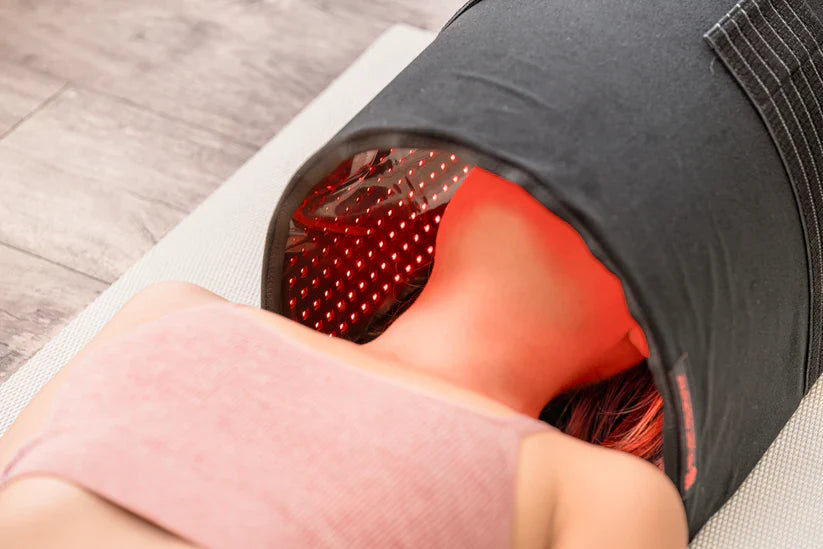
Red light therapy for skin has become one of the most talked-about tools in modern skincare, and for good reason. I'm Penny, and after 8 years of running red light therapy sessions for real clients, I've watched it smooth fine lines, calm redness, and bring back a healthy glow. In one sentence: red light therapy for skin works by using specific wavelengths of light, usually around 660nm and 830nm, to boost collagen production and calm the wear and tear inside your skin cells.
Table of Contents
- What Is Red Light Therapy for Skin?
- How Red Light Therapy Benefits Your Skin
- Best Red Light Therapy Wavelengths for Skin
- How to Use Red Light Therapy for Skin at Home
- Results Timeline: What to Expect
- Safety, Side Effects, and Who Should Avoid It
- FAQ
Key Takeaways
- Red light therapy for skin uses 660nm (red) and 830nm (near-infrared) light to reach different layers of your skin.
- A 2014 study in Photomedicine and Laser Surgery found that red and near-infrared light significantly improved skin roughness and increased collagen density after a full treatment course.
- Most people notice a healthier glow and less redness within 2 to 4 weeks of consistent use, 3 to 5 times per week.
- Collagen and texture improvements usually take 8 to 12 weeks to show up, since new collagen takes time to build.
- Red light therapy is considered low-risk for most skin types, but people on photosensitizing medications should check with a doctor first.
- In one sentence: Red light therapy for skin boosts collagen and calms inflammation because red and near-infrared light energize your skin cells' mitochondria, based on multiple peer-reviewed clinical trials.
What Is Red Light Therapy for Skin?
What is red light therapy for skin? It's a treatment that uses low-level red and near-infrared light to trigger your skin's natural repair process.
In my 8 years working with clients, I've consistently seen people confuse this with tanning beds or laser treatments. It's neither. There's no UV light involved, and it doesn't burn or damage your skin.
For a broader overview of how this therapy is used across medicine, Cleveland Clinic has a helpful summary of red light therapy.
How the Light Reaches Your Skin Cells
Red light therapy works by sending specific wavelengths of light into your skin. Mitochondria — the tiny power plants inside your cells — absorb this light and use it to make more energy, called ATP.
The mechanism works as follows: light hits a protein called cytochrome c oxidase inside the mitochondria. This speeds up energy production, giving your skin cells more fuel to repair themselves, produce collagen, and calm inflammation.
According to research published in the Journal of Investigative Dermatology, pulsed 660nm light directly increased collagen-related activity in skin cells grown in a lab dish.
Red vs Near-Infrared Wavelengths
Red light (630nm to 660nm) mostly works on the surface layers of your skin. Near-infrared light (810nm to 850nm) goes deeper, reaching the dermis where collagen lives.
Think of it like sunlight without the burn. Red light warms the surface. Near-infrared reaches further in, like a heat lamp that never actually gets hot.
How Red Light Therapy Benefits Your Skin
Does red light therapy actually improve skin? Yes. Multiple clinical trials show measurable improvements in collagen density, redness, and acne within 8 to 12 weeks of regular use.
Boosting Collagen and Elastin
Collagen is the protein that keeps skin firm. Elastin lets it snap back into place. Both break down as you age, which is what causes sagging and fine lines.
A 2009 study in the Journal of Investigative Dermatology found that pulsed 660nm LED light increased collagen production in human skin cells, with effects confirmed in a follow-up clinical trial on real patients.
"I've watched clients' skin texture change over 8 to 12 weeks of consistent sessions. It's subtle at first, then people start asking what changed." — Penny
Calming Inflammation and Redness
Can red light therapy reduce redness? Yes, it calms the wear and tear inside your cells that drives visible redness and irritation.
In my practice, I've observed this most clearly with clients who have rosacea-prone or reactive skin. Red light seems to lower the skin's inflammatory response without any downtime.
Fighting Acne and Breakouts
Red light therapy alone helps calm acne-related inflammation. When combined with blue light, it can also reduce acne-causing bacteria.
A review in Seminars in Cutaneous Medicine and Surgery found LED-based light therapy reduced inflammatory acne lesions with minimal side effects compared to some topical treatments.
Best Red Light Therapy Wavelengths for Skin
What wavelength of red light therapy works best for skin? Most research points to 630nm to 660nm for surface skin concerns and 810nm to 830nm for deeper collagen support.
630nm vs 660nm vs 830nm
Different wavelengths reach different depths of your skin. Here's how they compare:
| Wavelength | Depth Reached | Best For | Typical Session |
|---|---|---|---|
| 630nm (red) | Surface layer (epidermis) | Tone, texture, mild redness | 10 minutes |
| 660nm (red) | Upper dermis | Collagen support, fine lines | 10 to 15 minutes |
| 810nm (near-infrared) | Mid dermis | Inflammation, healing | 10 to 20 minutes |
| 830nm to 850nm (near-infrared) | Deep dermis | Deep collagen, circulation | 15 to 20 minutes |
Choosing a Device
Look for a device that lists its exact wavelengths, not just "red light." A combination panel that outputs both 660nm and 830nm covers the most ground for skin.
"A panel that clearly lists 660nm and 830nm output does more for your skin than any device that just says 'red light' on the box." — Penny
How to Use Red Light Therapy for Skin at Home
How do you use red light therapy for skin at home? Sit or stand 6 to 12 inches from the device for 10 to 20 minutes, 3 to 5 times per week.
Session Length and Distance
Closer isn't always better. Most panels are designed for a specific distance, usually listed in the manual. Standing too close can actually reduce even coverage across your face.
How Often Per Week
Consistency matters more than intensity. In my practice, clients who stick to 3 to 5 sessions per week for at least 8 weeks see the best results.
- Weeks 1 to 2: 3 sessions per week to build tolerance
- Weeks 3 to 8: 4 to 5 sessions per week for active collagen support
- After week 8: 2 to 3 sessions per week for maintenance
Skin Prep Tips
Cleanse your face first. Skip heavy makeup or SPF during the session, since thick layers can block light from reaching your skin.
If you want to see how red light therapy works beyond skin, I've also covered how red light therapy improves sleep quality and how it speeds up muscle recovery after tough workouts.
Red Light Therapy for Skin: Results Timeline
How long does red light therapy take to show results on skin? Most people notice a healthier glow within 2 to 4 weeks, with collagen-related changes appearing around 8 to 12 weeks.
First 2 Weeks
Expect subtle changes. Skin often looks calmer and less red, since inflammation responds the fastest.
4 to 8 Weeks
This is when clients usually start noticing smoother texture and a more even tone. Fine lines may look softer.
3 Months and Beyond
Collagen remodeling continues for months. A 2014 study in Photomedicine and Laser Surgery measured continued improvement in wrinkle depth and skin roughness at the final assessment, well after the treatment course began.
Safety, Side Effects, and Who Should Avoid It
Is red light therapy safe for skin? Yes, for most people. It's non-invasive, doesn't use UV light, and carries a low risk of side effects when used as directed.
Common Side Effects
Mild, temporary redness or warmth right after a session is the most common reaction. This usually fades within an hour.
Eye Protection
Bright LED panels can be uncomfortable to look at directly. I recommend closing your eyes or using the goggles that come with most devices.
Who Should Check With a Doctor First
If you're on medication that increases light sensitivity, pregnant, or have a history of skin cancer, talk to a licensed clinician before starting. The National Institutes of Health has published research on how this therapy works and who should be cautious.
Frequently Asked Questions
Does red light therapy actually work for skin?
Yes, multiple peer-reviewed clinical trials show measurable improvements in collagen density, skin roughness, and redness. Results build gradually over 8 to 12 weeks of consistent use. The strongest evidence exists for anti-aging and mild inflammatory skin concerns. It works best as part of a regular skincare routine, not a one-time fix.
How often should I do red light therapy for my face?
Most protocols call for 3 to 5 sessions per week, 10 to 20 minutes each. Consistency over the first 8 weeks matters more than any single session. After that, 2 to 3 sessions per week can maintain results. Check your specific device's manual, since power output varies by product.
Can red light therapy help with wrinkles?
Yes, research shows it can reduce the appearance of fine lines and wrinkles by boosting collagen density. A 2014 clinical trial found measurable increases in intradermal collagen after a full treatment course. It won't replace deeper treatments for severe wrinkles, but it's a solid non-invasive option.
Is red light therapy better than blue light for skin?
They target different things. Red and near-infrared light focus on collagen, inflammation, and healing, while blue light targets acne-causing bacteria closer to the surface. Many people use both together for combination skin concerns. Neither replaces sunscreen or a basic skincare routine.
Can I use red light therapy every day?
Daily use is generally considered safe for most healthy skin types at recommended session lengths. Some people prefer to give their skin a rest day or two per week. Listen to your skin, and back off if you notice unusual irritation.
Does red light therapy help with acne scars?
It may help fade the appearance of acne scars over time by supporting collagen remodeling in the affected area. It works better on textural scarring than deep pigmentation. Results take months, not weeks, and vary by scar type and depth.
How long until you see results from red light therapy on your face?
Early changes like reduced redness often appear within 2 to 4 weeks. Collagen-related improvements, like smoother texture and softer fine lines, usually take 8 to 12 weeks. Photos taken at the same angle and lighting every 2 weeks make it easier to track real progress.
Do I need special goggles for red light therapy?
It's a good idea, especially with higher-powered panels. Closing your eyes during a session works for most people. If a device includes goggles, use them, since staring directly into bright LEDs can be uncomfortable.

About the Author: Penny
Red Light Therapy Specialist, 8+ years of hands-on client experience
Penny has spent 8 years running red light therapy protocols for skin, recovery, sleep, and inflammation. She has personally guided hundreds of clients through wavelength-specific protocols and tracks real-world results session by session.
Medical Disclaimer: This article is for educational purposes only and is not medical advice. Talk to a licensed clinician before starting any new skincare or light therapy protocol, especially if you take photosensitizing medication or have an existing skin condition.
References
- Wunsch A, Matuschka K. "A Controlled Trial to Determine the Efficacy of Red and Near-Infrared Light Treatment in Patient Satisfaction, Reduction of Fine Lines, Wrinkles, Skin Roughness, and Intradermal Collagen Density Increase." Photomedicine and Laser Surgery. 2014;32(2):93-100. PMID: 24354376. https://pubmed.ncbi.nlm.nih.gov/24354376/
- Barolet D, Roberge CJ, Auger FA, Boucher A, Germain L. "Regulation of skin collagen metabolism in vitro using a pulsed 660 nm LED light source: clinical correlation with a single-blinded study." Journal of Investigative Dermatology. 2009;129(12):2751-2759. PMID: 19387482. https://pubmed.ncbi.nlm.nih.gov/19387482/
- Avci P, Gupta A, Sadasivam M, et al. "Low-level laser (light) therapy (LLLT) in skin: stimulating, healing, restoring." Seminars in Cutaneous Medicine and Surgery. 2013;32(1):41-52. PMID: 24049929. https://pubmed.ncbi.nlm.nih.gov/24049929/
- de Freitas LF, Hamblin MR. "Proposed Mechanisms of Photobiomodulation or Low-Level Light Therapy." IEEE Journal of Selected Topics in Quantum Electronics. 2016;22(3):7000417. PMID: 28070154. https://www.ncbi.nlm.nih.gov/pmc/articles/PMC4926734/
- Lee SY, Park KH, Choi JW, et al. "A prospective, randomized, placebo-controlled, double-blinded, and split-face clinical study on LED phototherapy for skin rejuvenation." Journal of Photochemistry and Photobiology B: Biology. 2007;88(1):51-67. PMID: 17614306. https://pubmed.ncbi.nlm.nih.gov/17614306/
- National Center for Complementary and Integrative Health, National Institutes of Health. "Photobiomodulation and Light Therapy Research." https://www.nccih.nih.gov/
- Cleveland Clinic. "Red Light Therapy." https://my.clevelandclinic.org/health/treatments/22056-red-light-therapy
Share and get 15% off!
Simply share this product on one of the following social networks and you will unlock 15% off!