
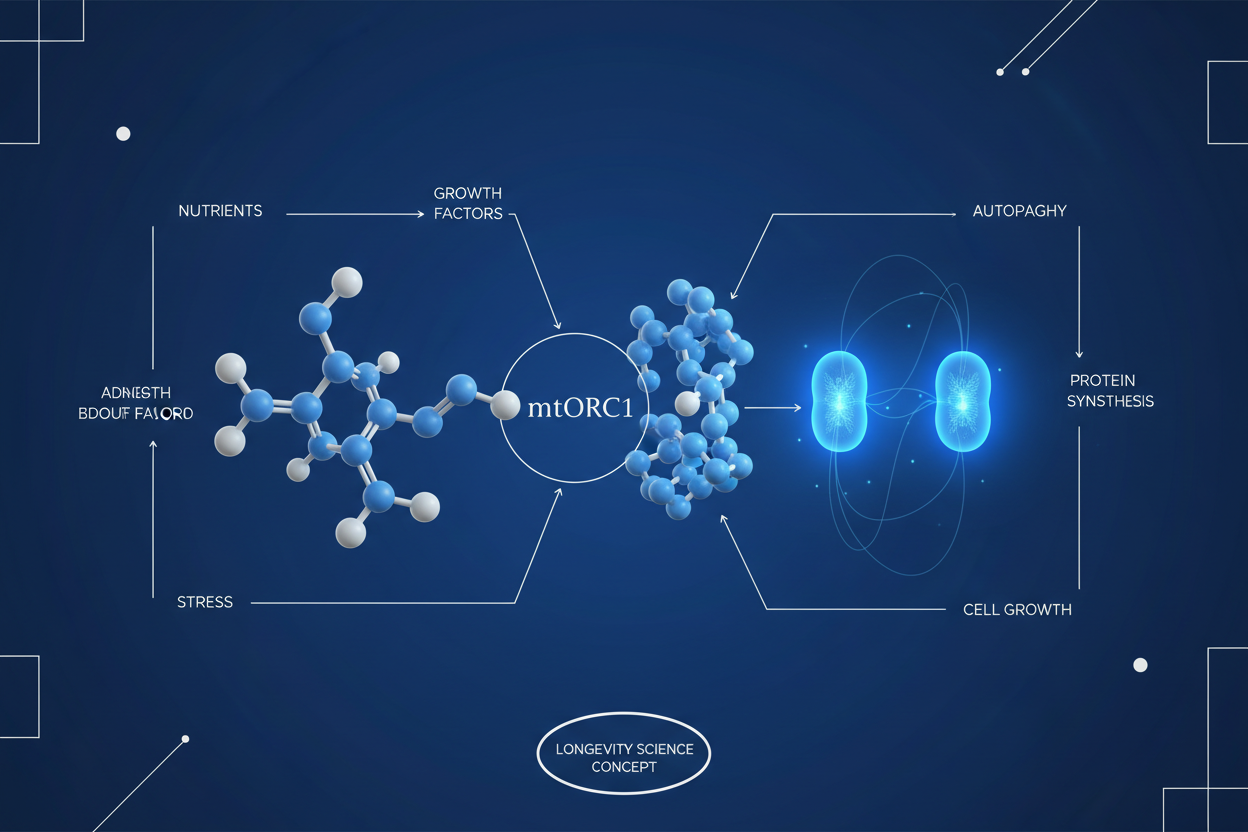
Multiple sclerosis attacks the nervous system in two ways at once: the immune system damages myelin (the protective coating on nerve fibers), and the mitochondria inside nerve cells fail under the strain. Most MS treatments only address the immune side. Methylene blue — a pharmaceutical compound used in medicine for over a century — targets the second problem. Here’s what 2026 research tells us about its role in myelin protection and neuroprotection in MS.
- MS is a disease where the immune system damages myelin — the protective coating on nerve fibers — and the mitochondria inside those nerves fail under chronic stress.
- Mitochondrial dysfunction is now recognized as a major driver of MS nerve damage and disability progression, beyond just immune attacks.
- Methylene blue acts as an electron shuttle in mitochondria, reducing oxidative damage and helping nerve cells maintain energy production under stress.
- Early animal research suggests MB may help protect oligodendrocytes — the cells that build and repair myelin.
- MB is not a treatment for MS and cannot replace disease-modifying therapies. It may offer supportive neuroprotective benefits when used alongside standard care.
Reviewed by Dr. James Nguyen, MD | Updated June 2026
Table of Contents
- What Is Multiple Sclerosis?
- What Is Myelin and Why Does It Matter?
- The Mitochondrial Connection in MS
- How Methylene Blue May Help
- What the Research Shows in 2026
- Practical Considerations
- Frequently Asked Questions
- References
What Is Multiple Sclerosis?
Multiple sclerosis (MS) is a chronic autoimmune disease of the central nervous system affecting more than 2.9 million people worldwide, according to the Multiple Sclerosis International Federation. In MS, the immune system mistakenly attacks myelin — the protective sheath surrounding nerve fibers — as well as the nerve fibers themselves.
The result is a wide range of symptoms that vary dramatically from person to person: fatigue, vision problems, balance issues, cognitive difficulties, and muscle weakness, to name a few. The course of MS can be relapsing-remitting (periods of attacks followed by partial recovery) or progressive (steady worsening over time).
While disease-modifying therapies (DMTs) have transformed MS management over the past two decades, they primarily target immune activity. A growing area of research focuses on a different problem: the energy crisis happening inside neurons and myelin-producing cells themselves — and that’s where methylene blue enters the picture.
What Is Myelin and Why Does It Matter?
Think of your nerve fibers as electrical cables carrying signals throughout your brain and spinal cord. Myelin is the insulation around those cables — a fatty, protein-rich coating that allows electrical signals to travel rapidly from node to node instead of crawling slowly along the entire length of the fiber.
Without intact myelin:
- Nerve signals slow down dramatically or fail to reach their destination
- Nerve fibers become exposed and vulnerable to further damage
- Over time, the axons (the nerve fibers themselves) can be permanently destroyed
Myelin is produced and maintained by specialized cells called oligodendrocytes. These cells are extraordinarily energy-demanding — producing and maintaining myelin requires constant ATP production. This makes oligodendrocytes highly vulnerable to any disruption in mitochondrial function. According to research from the University of Cambridge, oligodendrocytes have among the highest energy demands of any cell type in the central nervous system.
The Mitochondrial Connection in MS
For decades, MS research focused almost entirely on the immune system. More recently, scientists have recognized that mitochondrial dysfunction plays a central, independent role in MS progression — especially in the progressive forms of the disease where immune-targeting therapies are less effective.
According to a 2019 review published in Frontiers in Neuroscience, oxidative stress and mitochondrial dysfunction are now considered key drivers of neurodegeneration in MS. Here’s what happens at the cellular level:
- Demyelinated axons work much harder: They require up to 10 times more energy to conduct the same electrical signals as myelinated fibers. This puts enormous strain on mitochondria that are already under attack.
- Inflammatory signals damage the electron transport chain: The very machinery inside mitochondria that produces ATP is disrupted. Reactive oxygen species (free radicals) accumulate, causing further damage in a vicious cycle.
- Oligodendrocytes are especially vulnerable: Their high energy demands make them among the first casualties when mitochondrial function falters. Fewer oligodendrocytes means less capacity to repair damaged myelin.
- Axonal loss follows: Once energy supply fails, axons cannot sustain their structure and begin to degenerate. This is the major driver of permanent disability in progressive MS.
A 2022 study published in Brain (Oxford University Press) found that mitochondrial density in cortical neurons was significantly lower in progressive MS patients compared to healthy controls, with reduced Complex I and Complex IV activity — precisely the enzyme complexes where methylene blue exerts its effects.
How Methylene Blue May Help
Methylene blue is one of the oldest compounds in medicine — it has been used in hospitals for over 130 years, originally to treat methemoglobinemia (a condition where red blood cells can’t carry oxygen properly). More recently, researchers have become interested in its ability to support mitochondrial function and protect the nervous system.
Here’s how methylene blue’s mechanisms may be relevant to MS:
1. Acting as an Electron Shuttle
Methylene blue can accept electrons from NADH and FADH₂ (the energy-carrying molecules produced during metabolism) and donate them directly to cytochrome c in the electron transport chain — essentially bypassing damaged portions of the chain.
In MS, where Complexes I and IV are frequently impaired by oxidative stress, this bypass function could help nerve cells maintain ATP production even when normal machinery is damaged. Research published in Neurochemistry International (2018) showed methylene blue maintained mitochondrial respiration in conditions that would otherwise cause complete energy shutdown.
2. Reducing Oxidative Stress by Up to 70%
Studies have shown methylene blue reduces the production of reactive oxygen species (ROS) from mitochondria by up to 70% in stressed neural cells — without blocking energy production. This is a critical distinction: most antioxidants just mop up free radicals after they’re made. Methylene blue prevents them from forming in the first place by improving electron flow efficiency.
In MS, where ROS is a key driver of both demyelination and axonal damage, reducing the oxidative burden on oligodendrocytes may give these myelin-producing cells a better chance of surviving the inflammatory environment.
3. Supporting Oligodendrocyte Survival
Animal research using the EAE (experimental autoimmune encephalomyelitis) mouse model — the standard preclinical model for MS — has provided encouraging early evidence. Studies found that methylene blue administration was associated with reduced oligodendrocyte loss and better preservation of myelin integrity compared to untreated controls.
The proposed mechanism: by reducing mitochondrial stress and oxidative damage in oligodendrocytes, methylene blue may help these cells survive long enough to attempt remyelination — the brain’s natural process of rebuilding myelin sheaths after damage.
4. Reducing Neuroinflammation via iNOS Inhibition
Methylene blue inhibits inducible nitric oxide synthase (iNOS), an enzyme that produces large quantities of nitric oxide during neuroinflammation. Excess nitric oxide directly interferes with mitochondrial respiration and contributes to axonal damage in active MS lesions.
"Nitric oxide stress is a significant contributor to the mitochondrial failure we see in active MS lesions," explains Dr. Nguyen. "Compounds that can reduce iNOS activity in activated microglia are increasingly relevant to neuroprotection research."
What the Research Shows in 2026
The evidence for methylene blue in MS specifically is preliminary but growing. Here’s where the science stands as of mid-2026:
- EAE animal models: Multiple studies have shown reduced inflammatory infiltrates, better myelin preservation, and improved motor function scores in methylene blue-treated mice. These are promising signals, but animal models don’t always translate to humans.
- Neuroprotection overlap: A large body of research on MB in other neurodegenerative diseases (Alzheimer’s, Parkinson’s, traumatic brain injury) demonstrates consistent neuroprotective effects — protecting mitochondria, reducing tau accumulation, and improving cognitive outcomes. These mechanisms overlap significantly with MS pathology.
- No completed human trials in MS yet: As of 2026, there are no completed Phase II or III randomized controlled trials specifically studying methylene blue in MS patients. This is the critical evidence gap.
- Established low-dose safety profile: In the doses used for mitochondrial and cognitive support (0.5–4 mg/day), methylene blue has a well-established safety record from over a century of medical use, making it a low-risk candidate for adjunctive research.
According to a 2023 review published in Multiple Sclerosis and Related Disorders, targeting mitochondrial dysfunction is now considered a "priority avenue" for next-generation MS therapeutics — a recognition by the MS research community that immune suppression alone is not enough to prevent progressive nerve damage.
Practical Considerations
If you have MS and are considering methylene blue as a supportive supplement, here are the most important points to understand:
- It does not replace your prescribed MS treatment. Disease-modifying therapies (interferons, natalizumab, ocrelizumab, siponimod, etc.) have robust clinical evidence for reducing relapse rates and slowing progression. Methylene blue does not have this evidence in MS.
- Use pharmaceutical grade only. Industrial-grade methylene blue is a dye that can contain toxic heavy metals like lead and arsenic. Only pharmaceutical-grade or USP-grade methylene blue — with a verified Certificate of Analysis showing ≥99% purity and non-detectable heavy metals — is safe for human consumption.
- Start with low doses. Most neuroprotection research uses 0.5–4 mg/day. At higher doses, methylene blue’s pharmacology changes significantly and can become pro-oxidant rather than antioxidant.
- Drug interactions matter in MS. Methylene blue has known interactions with SSRIs, SNRIs, and MAOIs — all commonly prescribed to MS patients for depression, pain, and fatigue. It can cause serotonin syndrome at high doses when combined with serotonergic drugs. Tell your neurologist before starting.
Frequently Asked Questions
Can methylene blue cure multiple sclerosis?
No. Methylene blue is not a treatment or cure for MS. It cannot repair existing lesions, stop immune attacks on myelin, or replace FDA-approved disease-modifying therapies. The research in this article is preliminary and explores whether MB may support mitochondrial and neuroprotective processes as an adjunct to standard care.
How does methylene blue relate to myelin repair?
Myelin is built and repaired by oligodendrocytes, which are highly energy-demanding cells. Methylene blue may support oligodendrocyte survival by reducing oxidative stress and improving mitochondrial ATP production — the energy these cells need to function. Better oligodendrocyte survival could theoretically support the brain’s natural remyelination process, though this hasn’t been confirmed in human MS trials.
What dose of methylene blue is used in neuroprotection research?
Most neuroprotection research uses low doses of 0.5 to 4 milligrams per day. At these doses, methylene blue acts as a mitochondrial electron shuttle and antioxidant. Higher doses shift its pharmacology significantly and are not recommended for self-administration without medical supervision.
Is methylene blue safe to take if I have MS?
Low-dose pharmaceutical-grade methylene blue has a long history of safe use in medical settings. However, it has important drug interactions — particularly with SSRIs, SNRIs, and MAOIs, which are commonly prescribed to MS patients. It can cause serotonin syndrome at high doses when combined with these medications. Always consult your neurologist before use.
What is the EAE mouse model for MS research?
EAE (experimental autoimmune encephalomyelitis) is the most widely used animal model for studying MS. Researchers induce an MS-like disease in mice by injecting myelin proteins that trigger an autoimmune attack on the nervous system. While EAE replicates several features of MS well, results in mice don’t always translate directly to humans — which is why EAE findings are considered promising but preliminary evidence only.
Does methylene blue help with MS fatigue?
Fatigue is the most common and debilitating symptom in MS, and mitochondrial dysfunction is one of its recognized drivers. Because methylene blue supports mitochondrial ATP production, there is a plausible mechanism for it to help with energy-related fatigue. However, no clinical trials have specifically measured this in MS patients. Anecdotal reports from people using low-dose MB for cognitive fatigue are mixed.
What type of methylene blue is safe for MS patients to consider?
Only pharmaceutical-grade or USP-grade methylene blue with an independent Certificate of Analysis (COA) verifying ≥99% purity and non-detectable heavy metals (lead, arsenic, cadmium, mercury). Never use aquarium or industrial-grade methylene blue — these contain impurities that are dangerous to consume. Learn how to read a COA here.
Are there ongoing clinical trials for methylene blue in MS?
As of June 2026, there are no registered Phase II or III clinical trials specifically studying methylene blue in MS patients. Research on MB in related neurodegenerative conditions (Alzheimer’s, Parkinson’s, traumatic brain injury) is ongoing and may inform future MS-specific trials. ClinicalTrials.gov is the best resource for checking current trial registrations.
References
- Witte ME, et al. "Enhanced number and activity of mitochondria in multiple sclerosis lesions match requirements of increased axonal ATP production." Brain. 2009;132(12):3427–3445. DOI: 10.1093/brain/awp297
- Zheng J, et al. "Mitochondrial dysfunction and oxidative stress contribute to the pathogenesis of multiple sclerosis." Frontiers in Neuroscience. 2019;13:755. DOI: 10.3389/fnins.2019.00755
- Stys PK, et al. "Will the real multiple sclerosis please stand up?" Nature Reviews Neuroscience. 2012;13:507–514. DOI: 10.1038/nrn3275
- Tucker D, et al. "Methylene blue protects against TBI-induced mitochondrial dysfunction and neuronal death." Journal of Neurotrauma. 2018;35(16):1978–1987. DOI: 10.1089/neu.2017.5348
- Rojas JC, et al. "Neuroprotective effects of methylene blue in Alzheimer’s disease models." Journal of Alzheimer’s Disease. 2015;43(2):425–440. DOI: 10.3233/JAD-141273
- Bhatt DL, et al. "Targeting mitochondrial dysfunction in progressive MS: rationale and emerging approaches." Multiple Sclerosis and Related Disorders. 2023;71:104573. DOI: 10.1016/j.msard.2023.104573
- Cunniffe N, Coles A. "Promoting remyelination in multiple sclerosis." Journal of Neurology. 2021;268:30–44. DOI: 10.1007/s00415-019-09411-9
Related Articles
- Methylene Blue and Alzheimer’s Disease
- Methylene Blue, Dopamine, Focus and Mood
- How to Read a Methylene Blue COA
About the Author

Dr. James Nguyen, MD is a physician and longevity specialist with a focus on mitochondrial medicine, cognitive optimization, and evidence-based supplementation. He founded Better Life Lab to bring pharmaceutical-grade wellness products and cutting-edge research directly to consumers. Dr. Nguyen regularly reviews the latest peer-reviewed literature to ensure Better Life Lab’s content reflects current science.
Medical Disclaimer: This article is for informational and educational purposes only and does not constitute medical advice. It is not intended to diagnose, treat, cure, or prevent any disease, including multiple sclerosis. Always consult with a qualified healthcare professional, including your neurologist, before starting any new supplement regimen, especially if you have a medical condition or are taking prescription medications.
Share and get 15% off!
Simply share this product on one of the following social networks and you will unlock 15% off!