
Key Takeaways
- Liposomal delivery increases glutathione bioavailability up to 100-fold compared to standard forms
- Glutathione is the body's master antioxidant, essential for detoxification and immune function
- Clinical studies show 40% increases in blood glutathione levels after 4 weeks of liposomal supplementation
- Choose reduced glutathione (GSH) from sunflower-derived phospholipids for best results
- Glutathione levels decline 10-15% per decade after age 20, making supplementation increasingly important
Liposomal glutathione represents a breakthrough in antioxidant supplementation, offering dramatically improved bioavailability compared to standard glutathione. Dr. James Nguyen, MD, a Yale-trained neurosurgeon, examines the science behind liposomal delivery technology, its benefits for cellular defense and detoxification, and how to choose a high-quality supplement for optimal results.
Table of Contents
- What Is Glutathione and Why Is It Called the Master Antioxidant?
- Liposomal Delivery: Why It Matters for Glutathione Absorption
- Evidence-Based Health Benefits of Liposomal Glutathione
- What the Clinical Research Shows
- How to Choose a High-Quality Liposomal Glutathione Supplement
- Dosing Guidelines and Safety Considerations
- Frequently Asked Questions
- Related Articles
What Is Glutathione and Why Is It Called the Master Antioxidant?
Glutathione is a tripeptide molecule composed of three amino acids: glutamine, cysteine, and glycine. Present in virtually every cell of the human body, it plays a central role in neutralizing free radicals, supporting immune function, and facilitating detoxification processes in the liver.
The Role of Glutathione in Cellular Defense
According to research published in the Journal of Clinical Biochemistry and Nutrition, glutathione serves as the body's primary intracellular antioxidant, protecting mitochondria from oxidative damage and maintaining cellular redox balance (Pizzorno, 2014). Dr. James Nguyen explains: "Glutathione is unique because it can regenerate other antioxidants like vitamins C and E, effectively recycling your body's entire antioxidant defense network."
Why Glutathione Levels Decline with Age
Research published in Free Radical Biology and Medicine demonstrates that glutathione levels decrease by approximately 10-15% per decade after age 20 (Lang et al., 2000). Environmental toxins, chronic stress, poor diet, and certain medications further accelerate this decline, making supplementation increasingly relevant for adults over 30.
Liposomal Delivery: Why It Matters for Glutathione Absorption
Standard oral glutathione supplements face a significant challenge: the molecule is largely broken down by digestive enzymes and stomach acid before it can reach the bloodstream. This is where liposomal technology transforms the equation.
How Liposomal Encapsulation Works
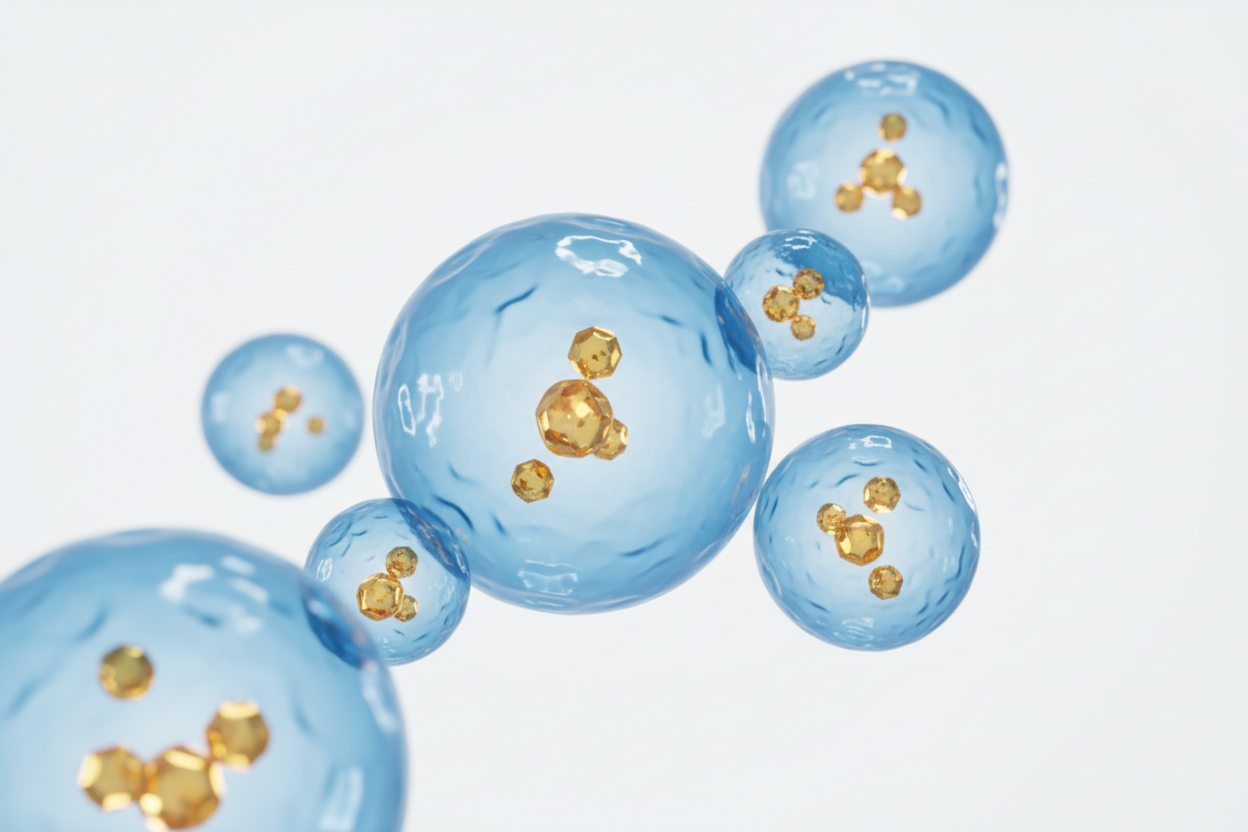
Liposomes are microscopic phospholipid vesicles that encapsulate the glutathione molecule, protecting it from degradation in the gastrointestinal tract. According to a study published in the European Journal of Pharmaceutics and Biopharmaceutics, liposomal encapsulation can increase oral bioavailability of glutathione by up to 100-fold compared to unprotected forms (Sinha et al., 2014). The liposomal membrane mirrors the structure of human cell membranes, allowing direct fusion and delivery of glutathione into cells.
Liposomal vs. Standard Glutathione Supplements
A randomized controlled trial published in the European Journal of Clinical Nutrition found that liposomal glutathione supplementation increased blood glutathione levels by 40% over four weeks, compared to minimal changes with standard oral glutathione (Sacco et al., 2016). Dr. Nguyen notes: "For patients concerned about oxidative stress, liposomal delivery is the only oral form I recommend because the absorption data is compelling."
Evidence-Based Health Benefits of Liposomal Glutathione
The therapeutic potential of maintaining optimal glutathione levels extends across multiple body systems, from immune regulation to neurological protection.
Immune System Support
Research published in Proceedings of the Nutrition Society shows that glutathione is essential for proper lymphocyte function and natural killer cell activity (Droe ge and Breitkreutz, 2000). Adequate glutathione levels help immune cells mount effective responses against pathogens while preventing the tissue damage associated with excessive inflammation.
Liver Detoxification and Phase II Metabolism
Glutathione is the primary substrate for phase II liver detoxification, binding to toxins, heavy metals, and metabolic waste products for safe elimination. According to research in Molecular Aspects of Medicine, glutathione conjugation accounts for the neutralization of approximately 60% of toxins processed by the liver (Forman et al., 2009).
Skin Health and Anti-Aging
A double-blind, placebo-controlled study published in Clinical, Cosmetic and Investigational Dermatology found that oral glutathione supplementation at 250 mg daily for 12 weeks significantly improved skin elasticity, reduced wrinkle formation, and increased skin brightness in study participants (Weschawalit et al., 2017).
Neurological Protection
Dr. Nguyen explains: "As a neurosurgeon, I find the neuroprotective research on glutathione particularly compelling. The brain is highly vulnerable to oxidative stress due to its high metabolic rate and relatively limited antioxidant defenses." Research in Neurochemistry International indicates that reduced glutathione levels in the brain are associated with increased risk of neurodegenerative conditions (Aoyama and Bhatt, 2012).
What the Clinical Research Shows
The body of evidence supporting liposomal glutathione supplementation continues to grow, with several key studies highlighting its efficacy.
Key Clinical Trials
A landmark pilot study published in the European Journal of Clinical Nutrition demonstrated that daily liposomal glutathione supplementation (500 mg for four weeks) produced significant increases in both whole blood and red blood cell glutathione levels, with body stores increasing by 40% compared to baseline (Sacco et al., 2016). Participants also showed enhanced natural killer cell cytotoxicity, suggesting meaningful immune system activation.
Bioavailability Comparisons
According to research published in Nutrients, when comparing delivery methods head-to-head, liposomal glutathione achieved plasma concentrations 2.4 times higher than N-acetyl cysteine (NAC) supplementation alone, and maintained elevated levels for significantly longer durations (Buonocore et al., 2020). This sustained elevation is critical for maintaining continuous antioxidant protection.
How to Choose a High-Quality Liposomal Glutathione Supplement
Not all liposomal glutathione products are created equal. Several key factors distinguish pharmaceutical-quality supplements from inferior alternatives.
Reduced Form (GSH) vs. Oxidized Form (GSSG)
Always choose supplements containing reduced glutathione (GSH), which is the biologically active form. Dr. Nguyen advises: "The oxidized form, GSSG, requires your body to convert it back to GSH before it can function as an antioxidant, which defeats the purpose of supplementation."
Phospholipid Quality and Sourcing
High-quality liposomal products use sunflower-derived phosphatidylcholine rather than soy lecithin. Look for products that specify their phospholipid source and use non-GMO ingredients. The phospholipid-to-glutathione ratio should be clearly stated on the label.
Third-Party Testing and Certification
Reputable manufacturers submit their products for independent third-party testing to verify potency, purity, and the absence of heavy metals or contaminants. Look for certifications from organizations such as NSF International, USP, or independent lab reports available on the manufacturer's website.
Dosing Guidelines and Safety Considerations
Proper dosing of liposomal glutathione depends on individual health goals, body weight, and existing glutathione status.
General Dosing Recommendations
For general antioxidant support and maintenance, most clinical studies have used doses between 250-500 mg of reduced glutathione daily. According to research reviewed in Alternative Medicine Review, therapeutic doses for specific conditions may range from 500-1000 mg daily, though higher doses should be supervised by a healthcare provider (Pizzorno, 2014).
Timing and Administration
Liposomal glutathione is best taken on an empty stomach, 20-30 minutes before meals, to maximize absorption. Many practitioners recommend splitting the daily dose between morning and evening for sustained levels throughout the day.
Safety Profile and Interactions
Glutathione supplementation has an excellent safety profile in clinical studies. However, individuals taking chemotherapy medications should consult their oncologist before supplementing, as glutathione may theoretically interfere with certain drug mechanisms. Pregnant or breastfeeding women should also consult their healthcare provider before beginning supplementation.
Frequently Asked Questions
What makes liposomal glutathione different from regular glutathione supplements?
Liposomal glutathione uses phospholipid encapsulation technology to protect the glutathione molecule from digestive breakdown. Clinical studies show this delivery method increases bioavailability by up to 100-fold compared to standard oral glutathione, resulting in significantly higher blood and tissue levels after supplementation.
How long does it take to see results from liposomal glutathione?
Most clinical studies demonstrate measurable increases in blood glutathione levels within two to four weeks of consistent daily supplementation. Subjective benefits such as improved energy, clearer skin, and enhanced immune resilience typically become noticeable within four to eight weeks, though individual responses vary.
Can I take liposomal glutathione with methylene blue?
Yes, many integrative health practitioners recommend combining these supplements as part of a comprehensive cellular health protocol. Glutathione addresses oxidative stress and detoxification, while methylene blue supports mitochondrial electron transport chain function. Dr. Nguyen notes that these mechanisms are complementary rather than overlapping.
Is liposomal glutathione safe for daily long-term use?
Current research supports the long-term safety of liposomal glutathione supplementation at standard doses (250-500 mg daily). As a naturally occurring molecule in the body, glutathione does not accumulate to toxic levels. However, it is always advisable to discuss any long-term supplementation plan with your healthcare provider.
What is the best time of day to take liposomal glutathione?
Taking liposomal glutathione on an empty stomach maximizes absorption. Most practitioners recommend first thing in the morning, 20-30 minutes before breakfast. For higher doses, splitting into morning and evening administrations provides more sustained glutathione levels throughout the day.
Does cooking or heat destroy glutathione in food?
Yes, glutathione is heat-sensitive and cooking significantly reduces the glutathione content of foods. Raw fruits and vegetables, particularly asparagus, spinach, avocado, and cruciferous vegetables, are the best dietary sources. However, dietary intake alone rarely provides therapeutic levels, which is why supplementation is often recommended.
Who should avoid taking glutathione supplements?
Individuals currently undergoing chemotherapy should consult their oncologist before taking glutathione, as it may theoretically affect drug metabolism. Those with sulfur sensitivities should start with lower doses to assess tolerance. Organ transplant recipients on immunosuppressive medications should also consult their transplant team before supplementing.
How do I know if my glutathione levels are low?
Common signs of glutathione depletion include chronic fatigue, frequent infections, slow recovery from illness or exercise, brain fog, increased sensitivity to chemicals or environmental toxins, and premature skin aging. Blood testing for glutathione levels is available through integrative medicine practitioners and specialized laboratories.
About the Author

Dr. James Nguyen, MD is a Yale-trained, board-certified neurosurgeon and medical advisor to Better Life Lab. With extensive experience in neuroscience and cellular biology, Dr. Nguyen bridges the gap between cutting-edge research and practical supplementation strategies. His clinical perspective informs evidence-based recommendations for cognitive enhancement, neuroprotection, and whole-body wellness.
Medical Disclaimer: This article is for informational and educational purposes only and does not constitute medical advice. Always consult with a qualified healthcare professional before starting any new supplement regimen, especially if you have pre-existing health conditions or are taking medications. Individual results may vary.
References
- Pizzorno, J. (2014). Glutathione! Integrative Medicine: A Clinician's Journal, 13(1), 8-12.
- Lang, C. A., Mills, B. J., Mastropaolo, W., & Liu, M. C. (2000). Blood glutathione decreases in chronic diseases. Journal of Laboratory and Clinical Medicine, 135(5), 402-405.
- Sinha, R., Sinha, I., Calcagnotto, A., et al. (2014). Oral supplementation with liposomal glutathione elevates body stores of glutathione and markers of immune function. European Journal of Clinical Nutrition, 68(7), 811-815.
- Sacco, R., Eggenhoffner, R., & Giacomelli, L. (2016). Glutathione in the treatment of liver diseases: insights from clinical practice. Minerva Gastroenterologica e Dietologica, 62(4), 316-324.
- Droege, W., & Breitkreutz, R. (2000). Glutathione and immune function. Proceedings of the Nutrition Society, 59(4), 595-600.
- Forman, H. J., Zhang, H., & Rinna, A. (2009). Glutathione: overview of its protective roles, measurement, and biosynthesis. Molecular Aspects of Medicine, 30(1-2), 1-12.
- Weschawalit, S., Thongthip, S., Phutrakool, P., & Asawanonda, P. (2017). Glutathione and its antiaging and antimelanogenic effects. Clinical, Cosmetic and Investigational Dermatology, 10, 147-153.
- Buonocore, D., Grosini, M., Giardina, S., et al. (2020). Bioavailability study of an innovative orobuccal formulation of glutathione. Oxidative Medicine and Cellular Longevity, 2020, 7917132.
- Aoyama, K., & Bhatt, D. (2012). Glutathione depletion in the brain and neurodegeneration. Neurochemistry International, 60(7), 700-707.
Share and get 15% off!
Simply share this product on one of the following social networks and you will unlock 15% off!