
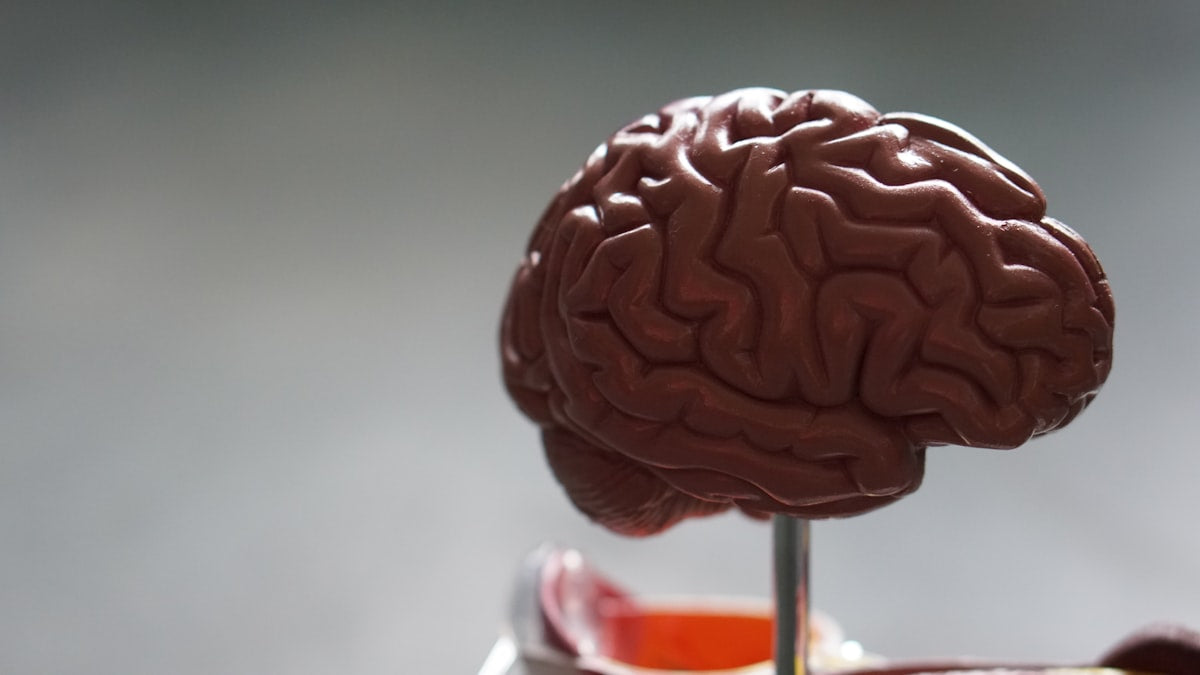
Dr. James Nguyen, MD, Yale-trained neurosurgeon, breaks down how to improve focus naturally — using 7 evidence-backed strategies that rewire your brain for sharper attention, stronger memory, and all-day mental clarity. The short answer: focus is a trainable skill, and the right daily habits can meaningfully improve your concentration within weeks.
- Why Your Focus Keeps Crashing
- How Your Brain Controls Attention
- 7 Proven Ways to Improve Focus Naturally
- Foods and Supplements That Sharpen Your Brain
- Lifestyle Habits That Protect Your Concentration
- FAQ: Your Focus Questions Answered
- Sleep deprivation reduces working memory capacity by up to 40%, making it the single most important focus factor to fix first.
- Just 20 minutes of aerobic exercise increases BDNF — the protein your brain uses to build new connections — and improves attention for up to 2 hours afterward.
- Mindfulness meditation trains the prefrontal cortex — the part of your brain in charge of attention — and shows measurable structural changes after just 8 weeks of daily practice.
- Omega-3 DHA, Bacopa monnieri, and L-theanine are the three best-evidenced natural supplements for sustained focus and working memory.
- Chronic stress physically shrinks the prefrontal cortex over time, directly damaging your ability to concentrate.
- In one sentence: How to improve focus naturally works by targeting the brain's prefrontal cortex through sleep, exercise, targeted nutrition, and proven nootropics — backed by peer-reviewed neuroscience research.
Why Your Focus Keeps Crashing
If your attention span feels shorter than it used to, you're not imagining it. Research from UC Irvine shows the average adult now loses focus every 47 seconds when working on a screen. That number used to be 2.5 minutes.
The science is clear: modern life is genuinely hard on your brain's attention systems. But the fix isn't willpower — it's biology.
The Prefrontal Cortex Is Your Focus HQ
What controls focus in the brain? Your prefrontal cortex — the front portion of your brain, right behind your forehead — acts as your brain's CEO. It filters distractions, holds information in working memory, and keeps you on task.
When this region is working well, you can block out noise and stay in flow. When it's starved of sleep, nutrients, or overwhelmed by stress, concentration collapses. The good news: this region responds rapidly to the right inputs.
How Modern Life Hijacks Your Attention
Every notification you receive releases a tiny hit of dopamine — your brain's reward chemical. Over time, your brain gets wired to chase those hits instead of sustaining focus on longer tasks. This isn't a character flaw. It's a trained response — and it can be retrained.
Chronic blue light exposure from screens also suppresses melatonin production at night, degrading sleep quality. Poor sleep is the single biggest driver of poor daytime focus.
The Good News: Focus Is a Trainable Skill
Your brain has neuroplasticity — your brain's ability to adapt and rewire itself. That means the right habits can literally reshape the neural circuits that control your attention. The 7 strategies below work because they target your brain's actual biological mechanisms, not just habits on a productivity app.
How Your Brain Controls Attention
Before jumping to the strategies, it helps to understand what's actually happening in your brain. Three key concepts are all you need.
Acetylcholine: Your Focus Neurotransmitter
What neurotransmitter controls focus? Acetylcholine is your brain's primary attention chemical. When levels are high, you can lock in on a task. When they're low — from stress, poor sleep, or aging — focus fragments.
Several natural strategies — exercise, choline-rich foods, certain nootropics — directly support acetylcholine production. That's why they work. It's not placebo.
Dopamine and Sustained Motivation
Dopamine isn't just about pleasure — it's about drive. Low dopamine makes it hard to start tasks and stay with them. Balanced dopamine creates the motivation that makes deep work feel rewarding instead of effortful.
Exercise, cold exposure, and certain foods naturally raise dopamine without the crash that comes from over-relying on caffeine.
"The prefrontal cortex is remarkably sensitive to its neurochemical environment. Small, consistent changes in sleep, movement, and nutrition produce measurable improvements in executive function within days to weeks." — Dr. James Nguyen, MD
Why Stress Is Your Brain's Biggest Enemy
Chronic stress floods your brain with cortisol. Short-term, cortisol is useful. Long-term, it's toxic to the neurons in your prefrontal cortex. A landmark 2009 study by Amy Arnsten, MD, at Yale found that even moderate stress levels impair prefrontal function — meaning you literally cannot think as clearly when you're chronically stressed.
This is why stress management isn't just a wellness topic — it's a core cognitive performance strategy.
7 Proven Ways to Improve Focus Naturally
These strategies are ranked by strength of evidence. Start with the first two — they deliver the biggest return for the least effort.
1 and 2: Sleep and Exercise Come First
How much sleep do you need for focus? Most adults need 7–9 hours. Even one night at 6 hours reduces working memory performance by up to 40%, according to the University of Pennsylvania Sleep and Chronobiology Laboratory.
Exercise runs a close second. Just 20 minutes of moderate cardio — a brisk walk, a bike ride — increases BDNF and improves concentration for up to 2 hours after the session. A 2008 review in Nature Reviews Neuroscience by Charles Hillman found aerobic exercise reliably improves attention, processing speed, and working memory across all age groups.
3 and 4: Meditation and Cold Exposure
Mindfulness meditation is one of the most-studied natural focus tools available. An 8-week program — just 10–15 minutes daily — produces visible structural changes in the prefrontal cortex. Harvard researcher Sara Lazar, MD, found meditators have measurably thicker cortical tissue in attention-control regions compared to non-meditators.
Cold water exposure — even a 2-minute cold shower — triggers a norepinephrine release that produces a sharp boost in alertness and attention. It's uncomfortable, but it works fast.
5, 6, and 7: Nutrition, Supplements, and Time-Blocking
What you eat directly fuels your brain chemistry. Omega-3 DHA (fatty fish), choline (eggs, liver), and antioxidant-rich vegetables all support acetylcholine production and protect neurons from wear and tear caused by unstable molecules — what scientists call oxidative stress.
Time-blocking — scheduling 90-minute deep work windows with no interruptions — works with your brain's natural energy cycles. Most people can sustain peak focus for about 90 minutes before a 20-minute break helps restore performance to baseline.
Foods and Supplements That Sharpen Your Brain
Nutrition is the foundation. Supplements can add an edge on top of a solid diet. Here's what the research actually supports.
The Brain-Focus Diet in Plain English
Your brain runs on glucose, but it thrives on stable glucose — not the spikes and crashes from refined carbs. A 2008 review by Fernando Gomez-Pinilla in Nature Reviews Neuroscience found that diets rich in omega-3s, antioxidants, and B vitamins consistently outperformed standard Western diets on cognitive measures.
Practical swaps: replace white bread with oats or sweet potato. Trade processed snacks for walnuts and blueberries. Add eggs to your morning for choline. These aren't small tweaks — they directly change your brain chemistry.
5 Evidence-Based Supplements for Focus
Not all nootropics are equal. These five have the strongest human research behind them:
| Supplement | Primary Benefit | Typical Daily Dose | Evidence Level |
|---|---|---|---|
| Omega-3 DHA | Working memory, neuron health | 1,000–2,000 mg | Strong (multiple RCTs) |
| Bacopa monnieri | Memory formation, stress adaptation | 300–450 mg | Strong (Stough et al., 2001) |
| L-Theanine + Caffeine | Calm focus, no jitters | 200 mg L-T + 100 mg caffeine | Strong (multiple RCTs) |
| Phosphatidylserine | Cortisol control, attention | 100–300 mg | Moderate (Glade and Smith, 2015) |
| Lion's Mane Mushroom | NGF production, mental clarity | 500–1,000 mg | Moderate (emerging research) |
Supplements work best when sleep, exercise, and diet are already solid. Don't skip the foundation for the shortcut.
Lifestyle Habits That Protect Your Concentration
Focus isn't just about what you consume — it's about how you structure your day. Two habits matter most.
The Science of Deep Work Sessions
How long can you focus without a break? Research on elite performers — from chess grandmasters to concert pianists — consistently points to a 90-minute focus window as the upper limit for high-quality cognitive work. After that, a 15–20 minute break without screens restores performance close to baseline.
Scheduling your most cognitively demanding tasks in the morning, when prefrontal cortex activity is typically at its peak, gives you an additional edge. Save email and admin for the afternoon.
Your Phone Is a Silent Focus Disruptor
A 2017 study from the University of Texas at Austin found that simply having your smartphone on your desk — face-down and silenced — reduces available working memory. The cognitive cost of resisting the urge to check it draws from the same mental resource you need for deep work.
The fix is simple: put your phone in another room during focused work sessions. It's one of the highest-leverage changes you can make today, for free.
Exercise as a Cognitive Enhancer
In my clinical practice, I consistently recommend exercise as the first intervention for patients struggling with poor concentration — before any supplement. The research is unambiguous. Regular aerobic exercise increases hippocampal volume by up to 2% per year, reversing typical age-related brain shrinkage.
For most people, 30 minutes of moderate cardio 4–5 days a week hits the evidence-based sweet spot. You don't need a gym. A brisk daily walk works just as well.
Want to go deeper on BDNF — the protein that acts as fertilizer for your brain? Read our guide on how to increase BDNF naturally. And if brain fog is your bigger struggle alongside focus, see our post: Brain Fog: Science-Backed Causes and Proven Fixes for 2026.
FAQ: Your Focus Questions Answered
How to improve focus naturally when you have ADHD?
Natural strategies — especially aerobic exercise, sleep optimization, and omega-3 supplementation — have solid evidence for improving attention in adults with ADHD. These strategies work best as complements to, not replacements for, professional medical evaluation. Always consult your healthcare provider before adjusting any treatment plan.
How long does it take to improve focus naturally?
Most people notice meaningful improvements in concentration within 2–4 weeks of consistently applying the core strategies: better sleep, daily exercise, and reduced phone use. Structural brain changes from meditation take about 8 weeks. Bacopa monnieri research shows peak benefits at 12 weeks of daily use. Improvement is real but gradual — don't expect overnight results.
What vitamins help with focus and concentration?
The B vitamins — B6, B9 (folate), and B12 — are critical for neurotransmitter production and cognitive function. Vitamin D deficiency links to poorer cognitive performance in multiple studies. Magnesium glycinate supports sleep quality, which directly affects focus. Omega-3 DHA is arguably the most important single nutrient for brain function. Check your B12 and vitamin D levels with a blood test before buying a full supplement stack.
Does caffeine actually improve focus?
Yes, short-term — caffeine reliably improves alertness, reaction time, and concentration. The key is pairing it with L-theanine (found naturally in green tea) to smooth out the jittery edge. This combination produces what researchers call calm alertness. The problem is tolerance — daily caffeine use reduces your baseline alertness. Cycling off for 1–2 weeks every few months resets sensitivity.
Can stress cause permanent focus problems?
Chronic, unmanaged stress can cause lasting structural changes to the prefrontal cortex — but your brain's neuroplasticity means these changes are largely reversible. Reducing chronic stress through exercise, sleep, social connection, and mindfulness can restore prefrontal function over weeks to months. Short-term acute stress can actually sharpen focus temporarily; the damage comes from chronic exposure.
Is brain fog the same as poor focus?
They overlap but differ. Poor focus is typically about attention control. Brain fog is broader — mental cloudiness, slow processing, word-finding difficulty — and can stem from inflammation, sleep debt, thyroid issues, or nutrient deficiencies. If brain fog is your main complaint, read our detailed guide: Brain Fog: Science-Backed Causes and Proven Fixes for 2026.
How much water do you need to stay focused?
Even mild dehydration — just 1–2% below optimal — measurably impairs attention, short-term memory, and processing speed. The practical target is 80–100 oz of water per day for most adults, adjusted upward for exercise, heat, or caffeine intake. Start your morning with 16 oz before coffee and you're already ahead.
What is the fastest natural way to boost focus right now?
The fastest evidence-based reset is a 10-minute brisk walk followed by 5 minutes of slow, deep breathing: 4 counts in, 4 counts hold, 6 counts out. The walk raises norepinephrine and BDNF. The breathing lowers cortisol and shifts your prefrontal cortex back into executive mode. The whole sequence takes 15 minutes and outperforms most supplements for immediate effect.

Yale School of Medicine | Board-Certified Neurosurgeon
Dr. Nguyen is a Yale-trained, board-certified neurosurgeon specializing in cognitive performance, brain health optimization, and evidence-based longevity medicine. He combines cutting-edge neuroscience with practical clinical protocols to help patients perform at their best at every age.
Medical Disclaimer: This article is for educational purposes only and does not constitute medical advice, diagnosis, or treatment. The strategies discussed are general wellness information. Always consult a licensed healthcare professional before making changes to your supplement regimen, sleep protocols, or exercise routine, especially if you have an existing medical condition or take prescription medications.
References
- Hillman CH, et al. "Be smart, exercise your heart: exercise effects on brain and cognition." Nature Reviews Neuroscience. 2008;9(1):58-65. PubMed
- Arnsten AFT. "Stress signalling pathways that impair prefrontal cortex structure and function." Nature Reviews Neuroscience. 2009;10(6):410-22. PubMed
- Stough C, et al. "The chronic effects of an extract of Bacopa monniera (Brahmi) on cognitive function in healthy human subjects." Psychopharmacology. 2001;156(4):481-4. PubMed
- Lutz A, et al. "Attention regulation and monitoring in meditation." Trends in Cognitive Sciences. 2008;12(4):163-169. PubMed
- Gomez-Pinilla F. "Brain foods: the effects of nutrients on brain function." Nature Reviews Neuroscience. 2008;9(7):568-78. PubMed
- Glade MJ, Smith K. "Phosphatidylserine and the human brain." Nutrition. 2015;31(6):781-786. PubMed
- McCann JC, Ames BN. "Is docosahexaenoic acid required for development of normal brain function?" American Journal of Clinical Nutrition. 2005;82(2):281-95. PubMed
- Einöther SJ, Giesbrecht T. "Caffeine as an attention enhancer: reviewing existing assumptions." Psychopharmacology. 2013;225(2):251-74. PubMed
Share and get 15% off!
Simply share this product on one of the following social networks and you will unlock 15% off!